






The winter break has arrived, and the time for returning home is as scheduled.
Let us come together during this holiday season.
Following the "Homecoming Chronicles" series by Little Poplar
We measure the vast expanse of our motherland with our footsteps.
Discovering the Transformation of One's Hometown Through Observation
Feeling the Pulse of the Times with One's Heart
With brushstrokes and camera lenses
Recording the Vibrant Stories of My Hometown
As the high-speed train slowly pulled into Chaoshan Station, my ears were filled with the familiar sounds of the Chaoshan dialect. I knew I had returned home.
My hometown is in the Chaoshan region of Guangdong. In the minds of many, it is a culinary paradise, a place where the fragrance of tea lingers in the air. But in my eyes, it is even more a continent of hope and promise, nurtured by the Han River and brimming with vitality, spirit, and energy.
This time returning home, I did not rush through things as I usually do. Instead, I tried to slow down and re-read this city.
Savoring the Flavors · Life
The first meal back home must be beef hot pot.
Walking into the old shop at the entrance of the alley that has been open for twenty years, the uncle recognized me at a glance and said with a smile, "Back home for the holiday?"
In that instant, it was as if time had turned back.
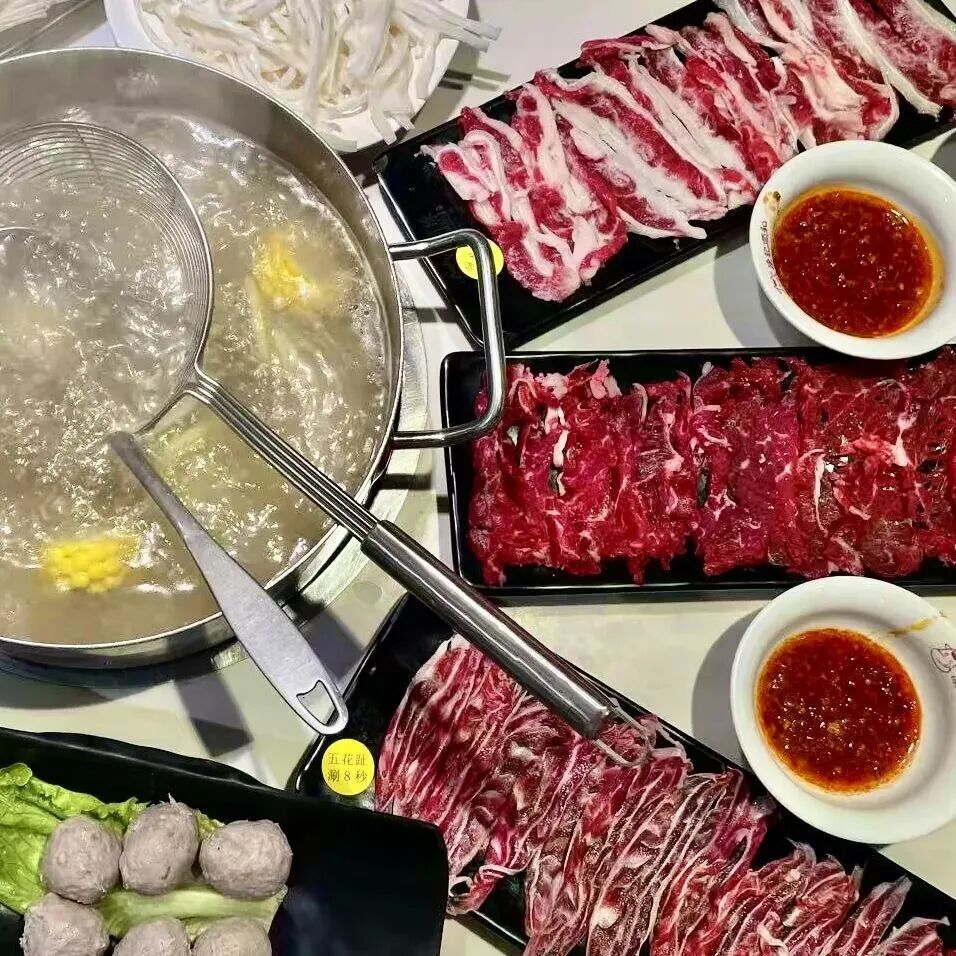
The clear broth in the pot simmered gently, while the bright red ribeye and snowflake-like blade meat were neatly arranged on the plate. Although the shop had added an electronic screen for ordering, the moment a morsel of meat entered the mouth, the fresh, sweet broth burst open on the palate—what had changed was the tool, but the flavor remained the same.
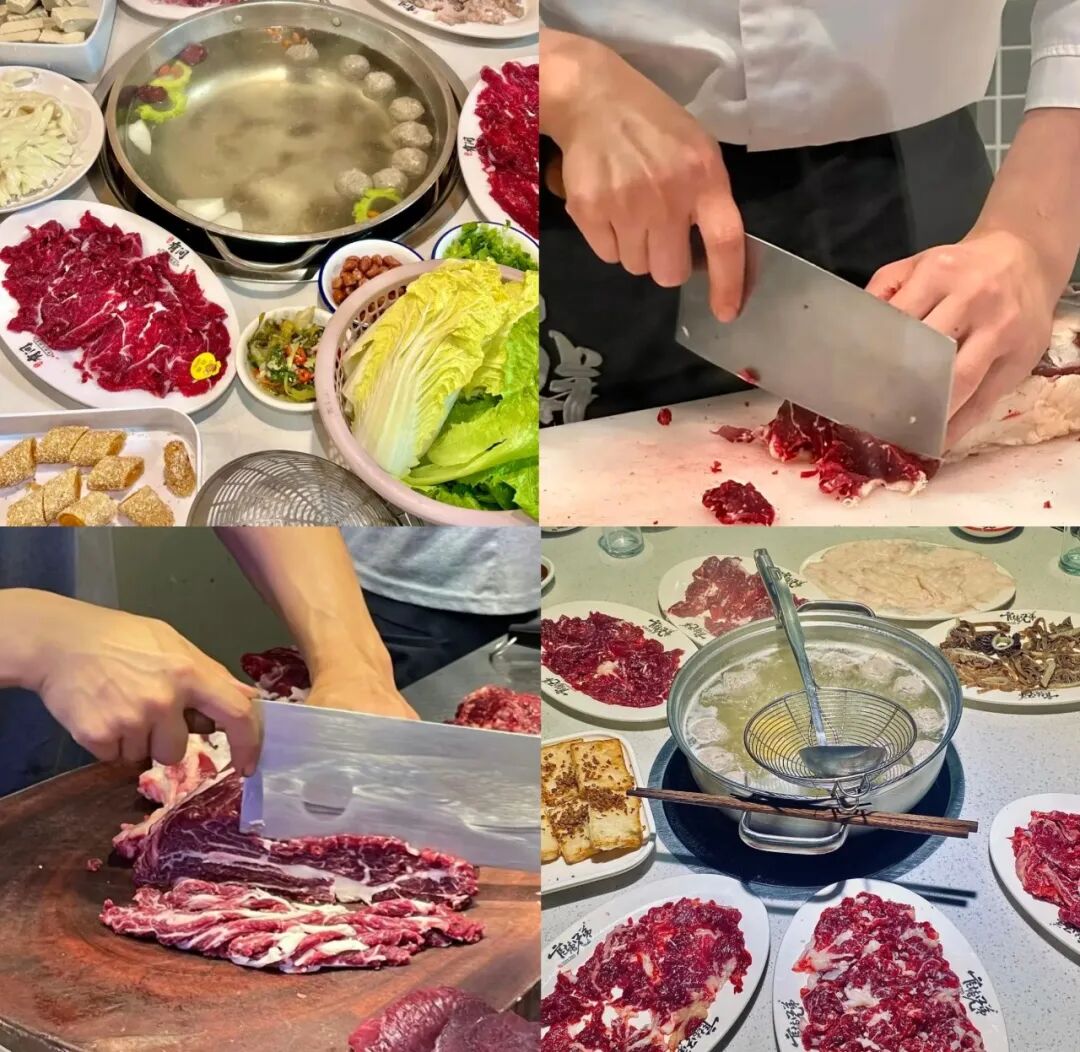
In the Chaoshan region, eating hotpot is more than just a meal; it is a form of social interaction. The whole family gathers around the table, watching the meat "dip three times and rise three times" in the boiling broth. An elder picks up the first morsel of meat and places it in a younger family member's bowl, saying, "You've worked hard at your studies." This warm sense of ritual is something that no food delivery service can ever replace.
It suddenly dawned on me that the true essence of my hometown is often hidden within this vibrant, steaming atmosphere of daily life.
Listening to the Drumbeats · Shouting
After dinner, the faint yet powerful thrum of drums could be heard in the distance. Following the sound, I arrived at the cultural square on the street, where a group of young performers were putting on a Yingge dance show.
During traditional Chinese holiday seasons, the Chaoshan region comes alive with the Yingge dance. Under the streetlights, performers don the painted faces of heroes from the classic novel Water Margin, brandish Yingge mallets, and move with robust, powerful motions to a vigorous rhythm.
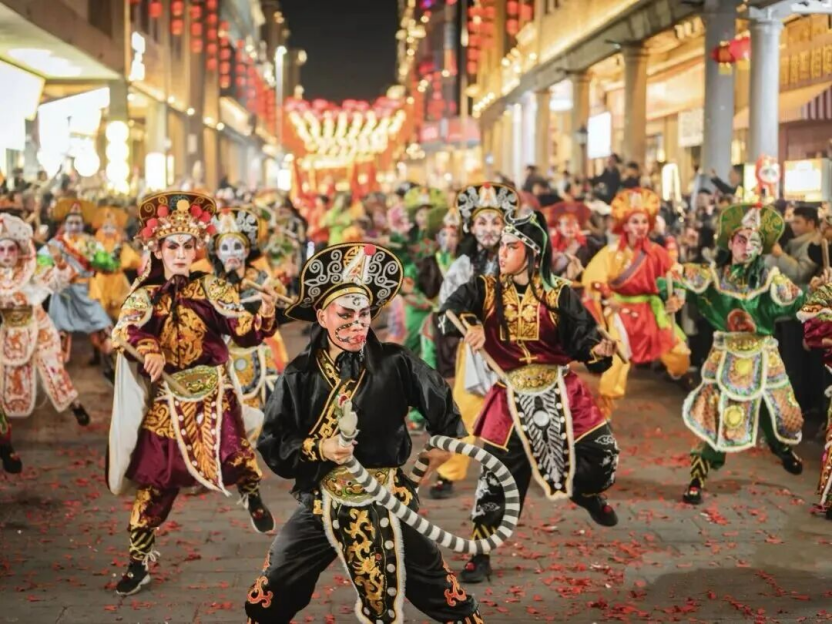
The next morning, at a friend's invitation, I went to watch the Yingge dance performance once again.
An elderly gentleman beside me, holding a palm-leaf fan in his hand, was squinting his eyes and keeping time with the rhythm. I moved closer to strike up a conversation with him. He said proudly, "Nowadays, more and more young people are taking a liking to this dance. It's not just about preserving this art form, but also about building courage and learning how to conduct oneself." At that moment, I was deeply moved.
Yingge Dance is known as the "Chinese War Dance." In the bones of the Chaoshan people, there truly flows an unyielding, combative spirit. This "fighting spirit" is not only manifested in the performance but also in the figures of the Chaoshan people venturing out into the world.
Looking at the youthful faces before me, I seem to see the enduring, vibrant force of this land.
Observing the City · Symbiosis
The next morning, I went to the old city district.
Sunlight fell upon the mottled outer walls of the ancient city, and the sun-warmed brick joints and inlaid porcelain tiles recounted tales of the past within the play of light and shadow.
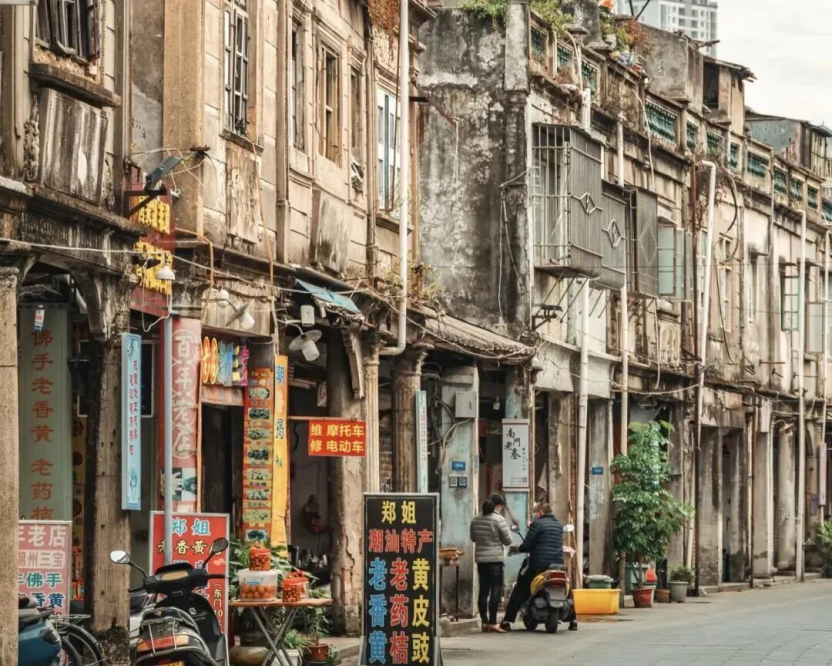
When I was a child, I thought these old houses were both dilapidated and dark. But upon returning this time, I have discovered new changes.
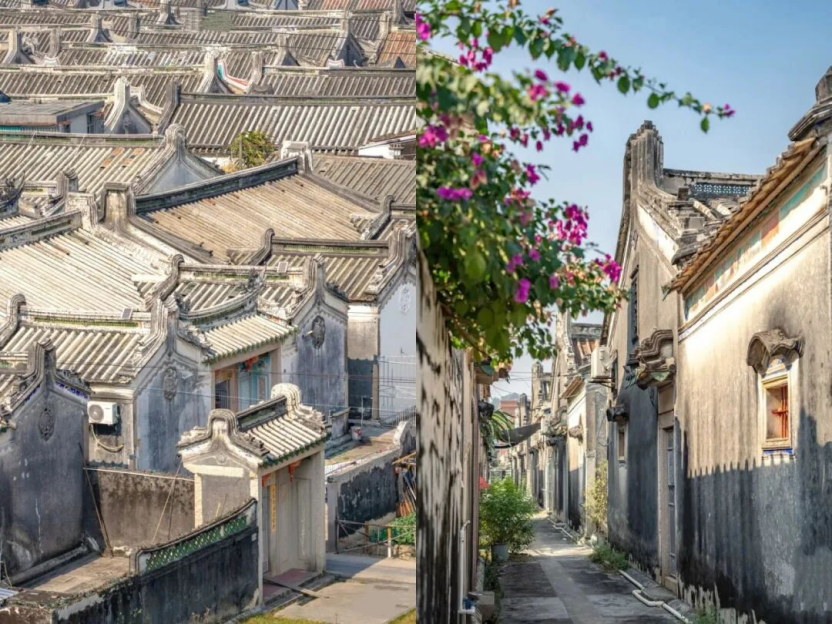
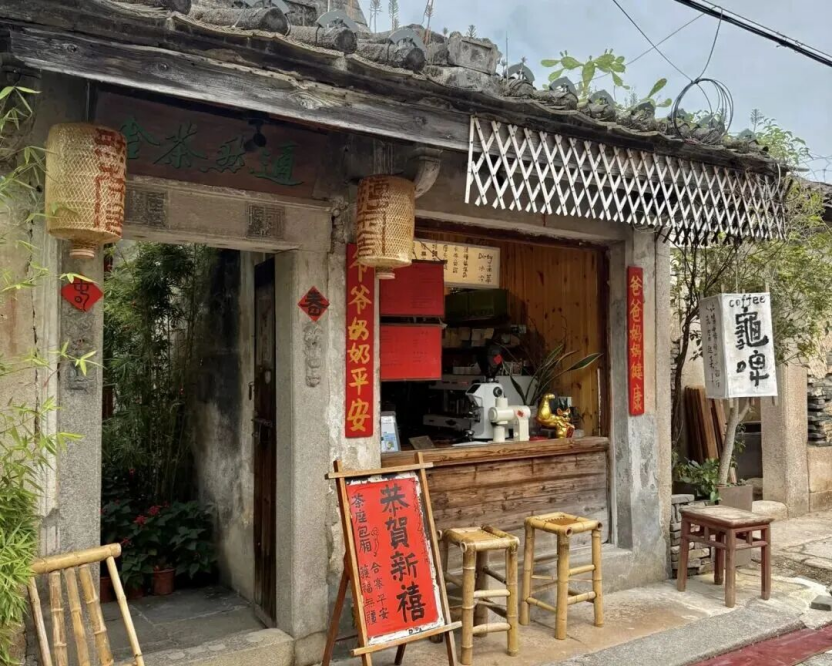
The streets have become cleaner and more orderly, with messy overhead wires now buried underground. Many time-honored establishments have undergone renovations, preserving traditional layouts such as the "descending tiger" and "four-point gold," while incorporating modern design elements inside—coffee shops have moved into ancient houses, and cultural creativity stores have opened in arcade buildings.
This is the wisdom of our hometown: we do not need to demolish the past to build the future. This "precision" and "inclusiveness" have breathed new life into ancient architecture within modern society. Walking on such streets, one treads upon history with their feet while gazing upon the future with their eyes.
This return to one's hometown
Rather than being an observation
It is more accurately described as a confirmation about "roots."
We often tend to chase after the neon lights in the distance.
Yet they overlook the fact that the land beneath their feet has long harbored immense energy.
In the Tension Between Change and Constancy
I have come to understand the survival philosophy of my hometown:
The traditional soul has not faded in the tide of modernization.
Instead, they donned new armor.
has become the most formidable confidence of this land
This article was translated with AI assistance.
Editor: Fang Yiran