




The winter holiday has arrived, and the time for returning home is upon us as scheduled.
Let us come together during this holiday season
Following the "Homecoming Chronicles" series by Little Poplar
Measure the vast land of our motherland with our footsteps
Discovering the Changes in My Hometown with My Own Eyes
Feeling the Pulse of the Times with One's Heart
With brushstrokes and camera lenses
Documenting the Lively Stories of My Hometown
As the sun rises in the east, here in Zhejiang lies Dongyang. Dongyang, located in the central region of Zhejiang Province, is a provincial-level historical and cultural city. As a county-level city, it lacks the neon-lit bustle of a first-tier metropolis, and you may not even have heard of this city before. Yet, it has long met you, in myriad forms, in an unexpected and sudden encounter.
Reunions in Film and Television
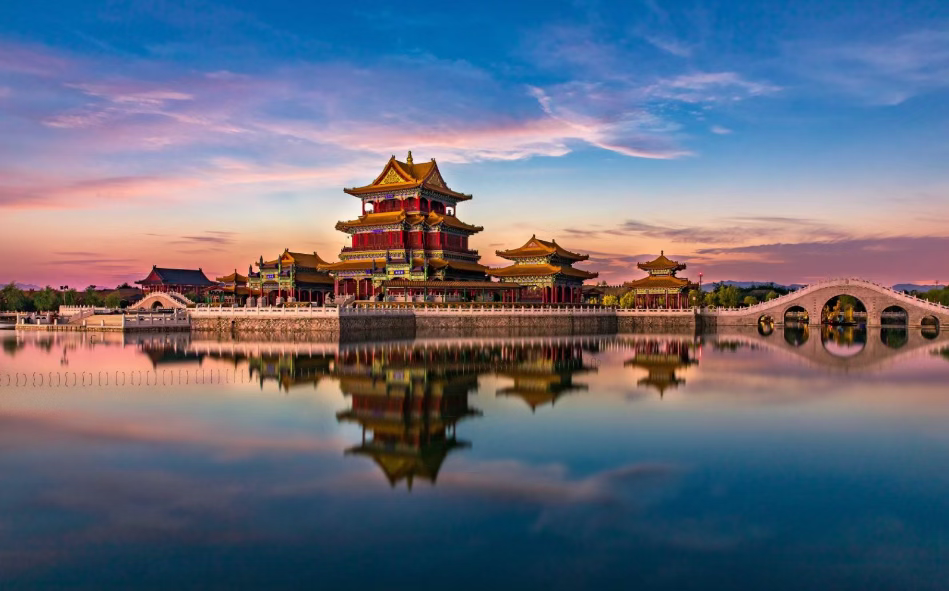
When it comes to Dongyang, one cannot avoid mentioning "China's Hollywood"—Hengdian. This small town has been the keeper of the cinematic memories of generations and has also been chronicling the evolution of China's film and television culture.
The hit TV series you've followed have long been imprinted with Dongyang's mark: The palace walls and deep courtyards of "Empresses in the Palace" conceal Chinese aesthetics; the time-travel twists of "Scarlet Heart" captivate hearts; productions "Made in Hengdian" continuously push boundaries; works like "Story of Yanxi Palace" have even set sail overseas, garnering widespread acclaim in film and television markets across Europe, America, Japan, and South Korea, allowing the story of China to be seen by the world.
When I was young, "Hengdian" was the destination I most looked forward to for school spring and autumn outings. At that time, Hengdian was not yet famous, and what attracted people were more of its amusement facilities, such as Dream Valley.
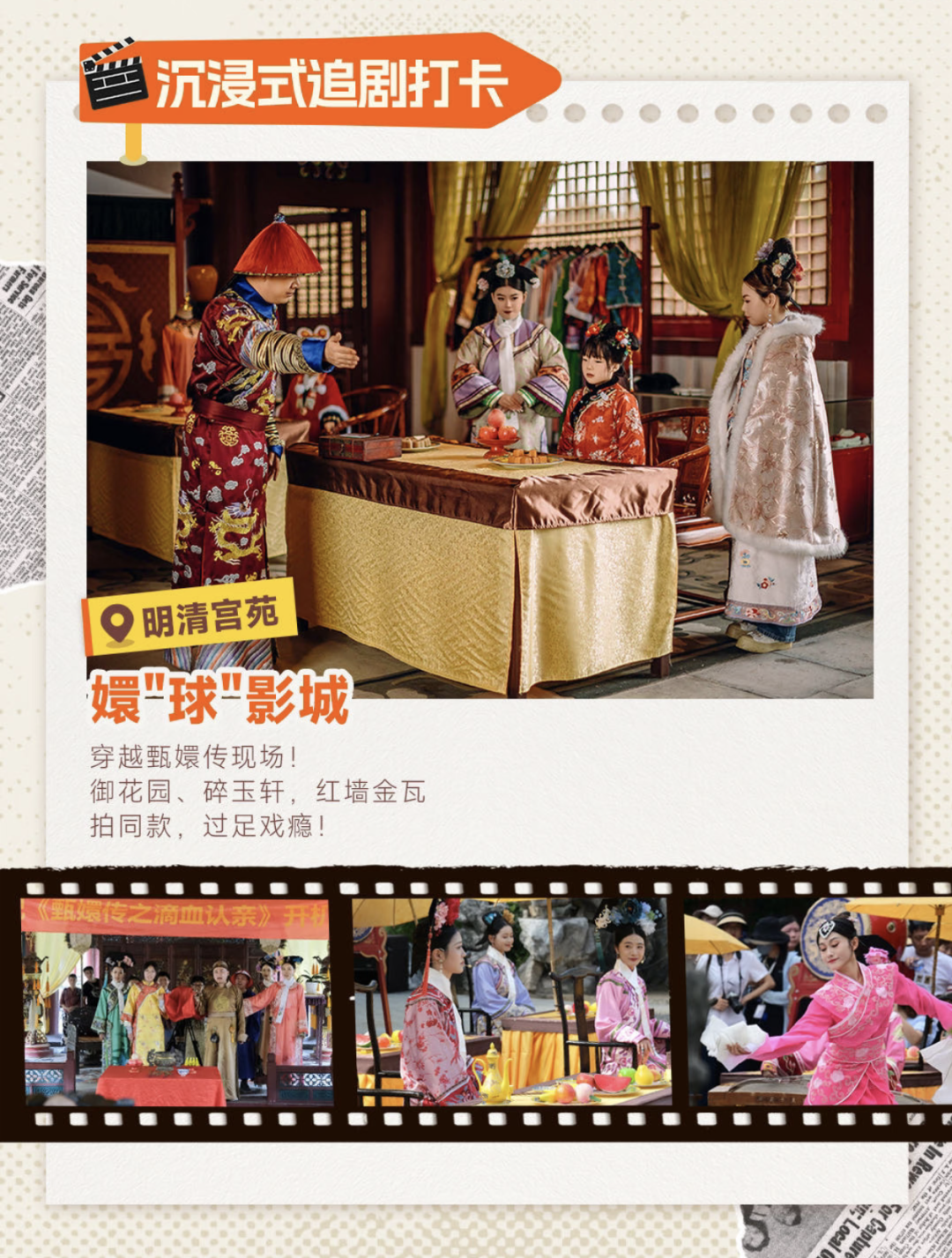
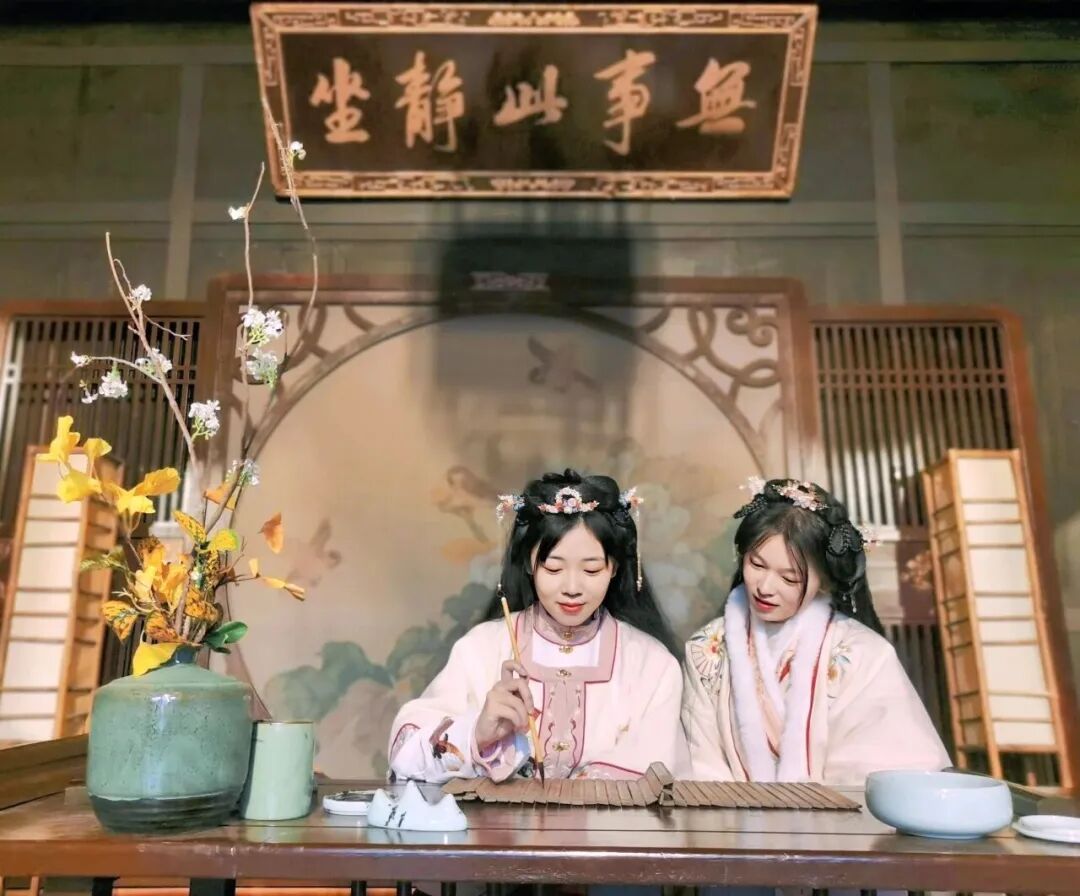
Times have changed. Today's Hengdian has transformed into a film and television production base and has become a benchmark for immersive cultural tourism. The Ming and Qing Palaces have been reimagined as the 'Huanqiu Film City,' where visitors can don traditional costumes to mimic the 'Hua Fei's disdainful glance,' recreate famous scenes, and engage in fun interactions with NPCs—both the socially anxious and the socially bold can find their own joy here. The 'Riverside Scene at Qingming Festival' scenic area offers a picturesque view at every turn, with winding bluestone paths and gently rocking painted boats on the water. Stepping inside feels like traversing the bustling streets of the Northern Song Dynasty. The intricately carved beams and painted rafters reveal their unique charm. Like many tourists, I changed into ancient attire, shifting from a 'spectator' to a 'character in the drama,' immersing myself in the allure of China's outstanding traditional culture.
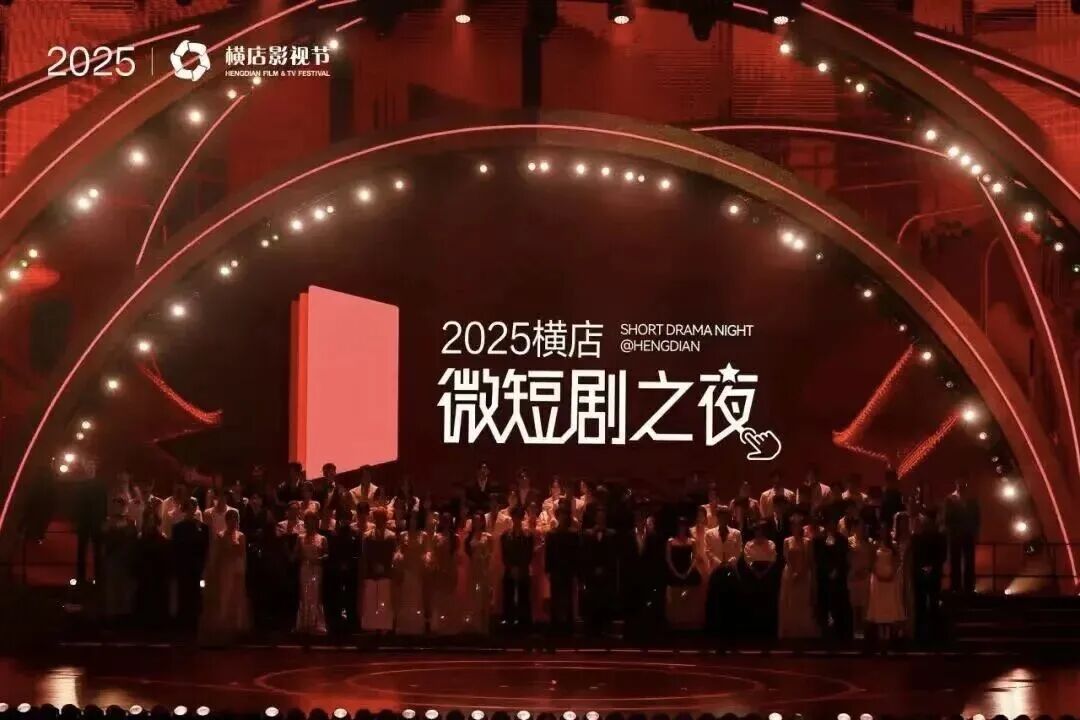
Those short dramas you love to watch also bear the imprint of Hengdian. In the era of micro-short dramas, Hengdian has adapted to the trend of the times by transforming into a "vertical studio," creating nearly a thousand professional micro-short drama sets to meet the diverse shooting needs of various genres. By the end of 2025, Hengdian had completed the filming of 4,016 micro-short dramas, with 10% exported overseas, making it a powerful driver in the global expansion of micro-short dramas.
From Hengdian to "Vertical Studios", from traditional film and television to emerging micro-dramas, I have witnessed the iterative upgrading of this town. The development of Hengdian is precisely a microcosm of China's culture industry keeping pace with the times, daring to innovate, and embracing the world.
This year, Yiwu became a sub-venue for the Spring Festival Gala. I came across a netizen joking online: 'After filming in Hengdian, celebrities can head straight to the Spring Festival Gala stage.' Indeed, this is the case, and such convenience is attributable to the government's steadfast commitment over the years to advancing transport infrastructure.
From the time I can remember, Dongyang was constantly building roads, which caused a lot of inconvenience for commuting. However, when I left home to pursue my studies elsewhere, I finally understood what a display of great foresight this 'trouble' truly was. In the past, to travel to distant places, one needed to take a two-and-a-half-hour bus to Hangzhou to catch a flight, or a more than one-hour drive to Yiwu to board a train. Now, with the light rail in operation, it takes just over ten minutes to reach the Hengdian high-speed rail station, and only about twenty minutes to get to Yiwu.
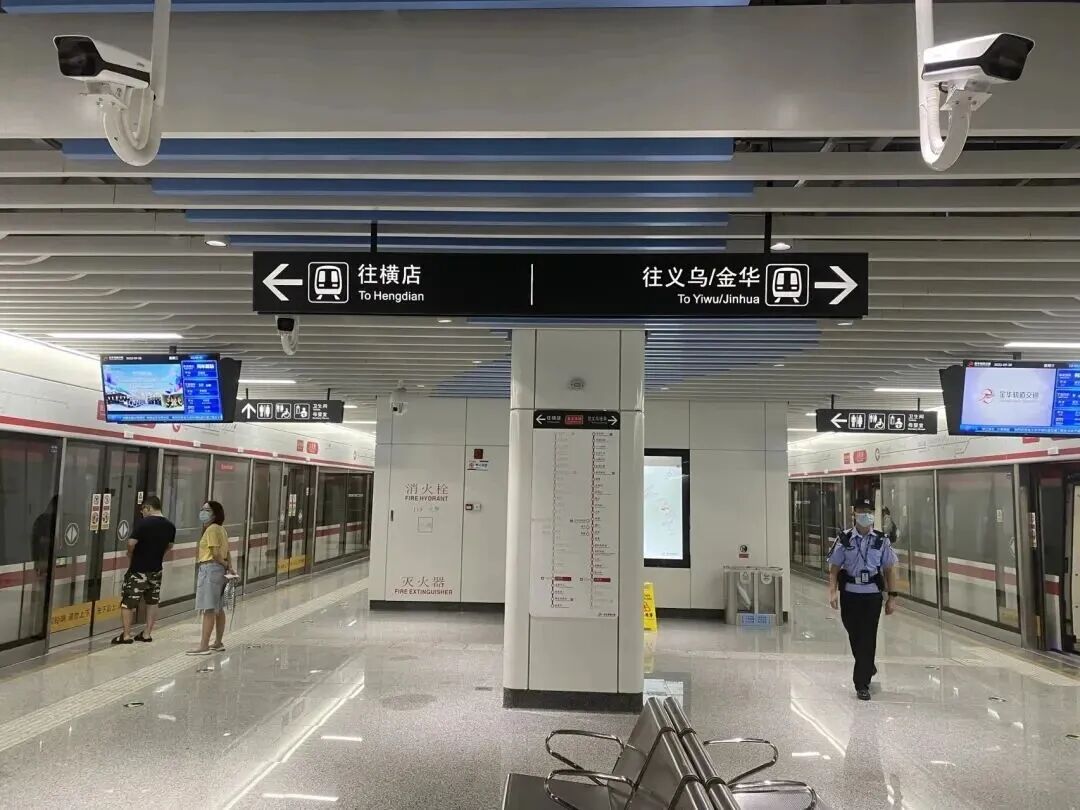
In the summer of 2025, the Jinhua-Yiwu-Dongyang intercity rail line opened along its entire length. It not only connects three major economic cities but also traverses mountains, rivers, lakes, and plains, pulling Dongyang—a large, hilly county characterized by "eight parts mountains, one part water, and one part farmland"—into the rail transit network of Jinhua and, indeed, the entire province of Zhejiang. This light rail line has not only broken the county's transportation bottleneck but also stands as a testament to the pace of integrated development in Zhejiang's county-level economies. It represents a successful practice of Dongyang deepening comprehensive county-level reform and integrating into regional development.
An Encounter Within the Realm of Brush and Ink
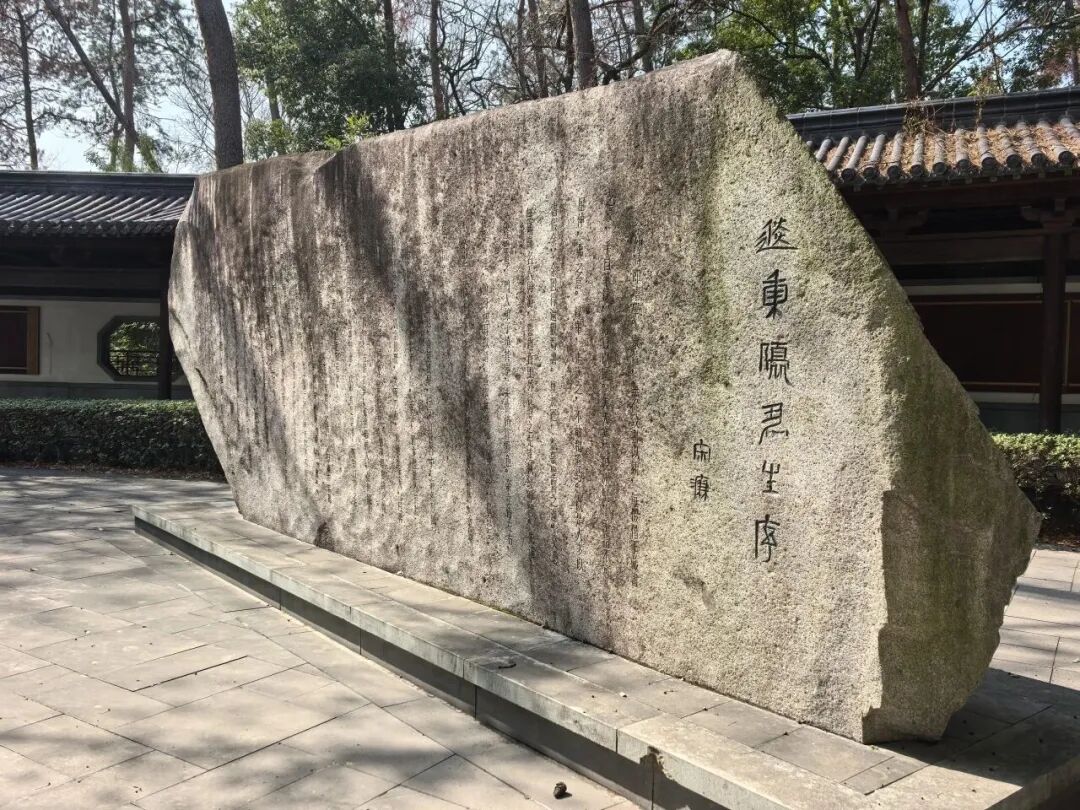
The essence of Dongyang is not only defined by the brilliance of light and shadow, but also by the fragrance of ink and brush. Do you still remember the classical prose 'Farewell to Student Ma of Dongyang' from the compulsory high school textbook? Within this classical text lies Dongyang's deepest educational code. The 'Student Ma' in the prose is a microcosm of the countless scholars from Dongyang.
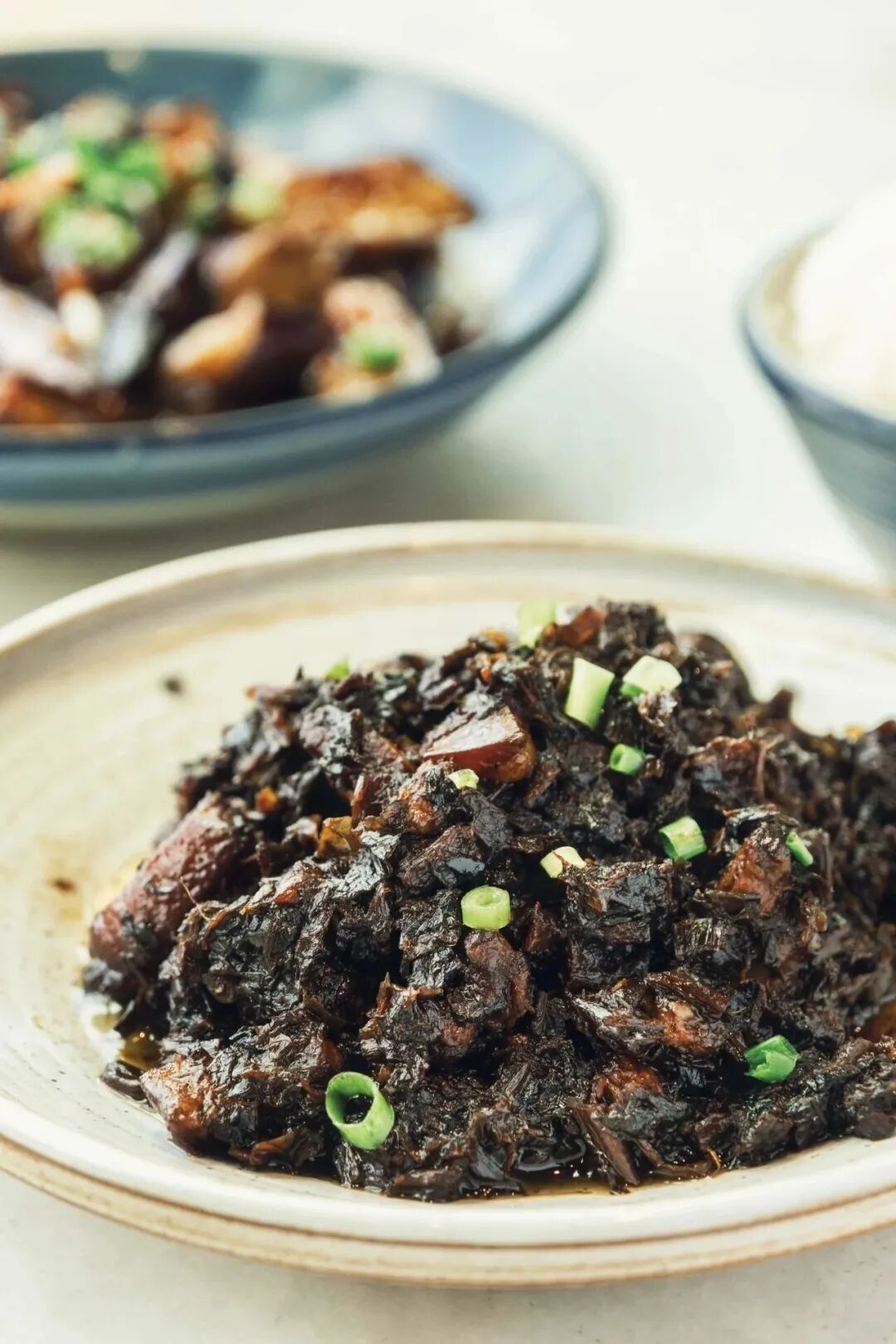
For people from Dongyang, there is always a "spiritual staple" on their academic journey—preserved mustard greens, also known as "doctor's dish." It is not actually moldy; rather, it is made by pickling, fermenting, and sun-drying nine-headed mustard greens. The dark-colored vegetable body is coated with salt crystals, resembling mold in appearance, and though humble in looks, it is highly durable for storage. Every year during the traditional Chinese holiday season of the Spring Festival, my grandmother would prepare a large bowl of stir-fried preserved mustard greens with pork, seal it for preservation, and when we wanted to eat it, we would use dry chopsticks to pick out a few pieces, which paired perfectly with congee or rice.
Our elders often tell stories about preserved mustard greens. In an era of material scarcity, these salty, fragrant, and long-lasting preserved vegetables were an essential accompaniment for meals while studying away from home. Though they were low in oil and fat, they could stave off hunger, and they carried the aspirational expectation that "success in the imperial examinations would mean bidding farewell to preserved mustard greens." Today, with material life being abundant, preserved mustard greens have also become a common household dish, embodying the nostalgia etched on the taste buds of Dongyang people—a remembrance of the path they have traveled and, more profoundly, the resilience and diligence ingrained in their very bones.
Encounters in Artifacts
If you have wooden carved furniture or decorations at home, then you have most likely also had a connection with Dongyang.
Dongyang wood carving is a traditional folk craft with a long history. As the foremost of China's four major wood carving styles, it has long been inscribed on the State-Level Non-Material Cultural Heritage List. Consequently, Dongyang has earned the prestigious title of 'World Capital of Wood Carving.' Those exquisitely textured wood carving ornaments and intricately carved furniture components you hold in your hands may very well be the work of Dongyang artisans.
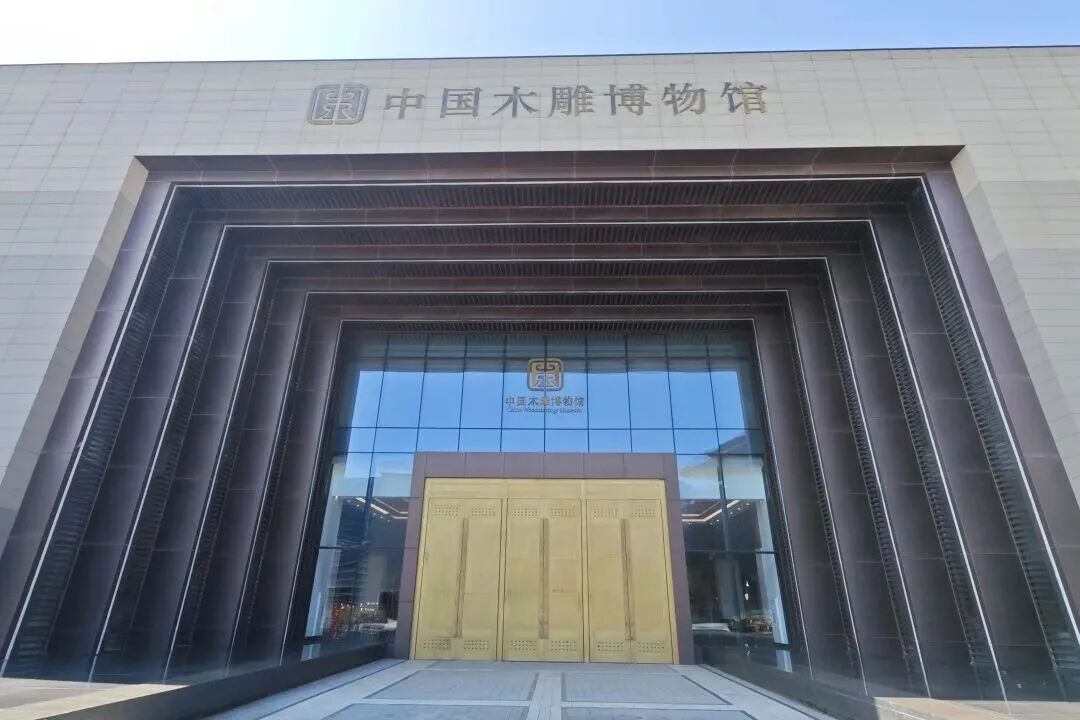
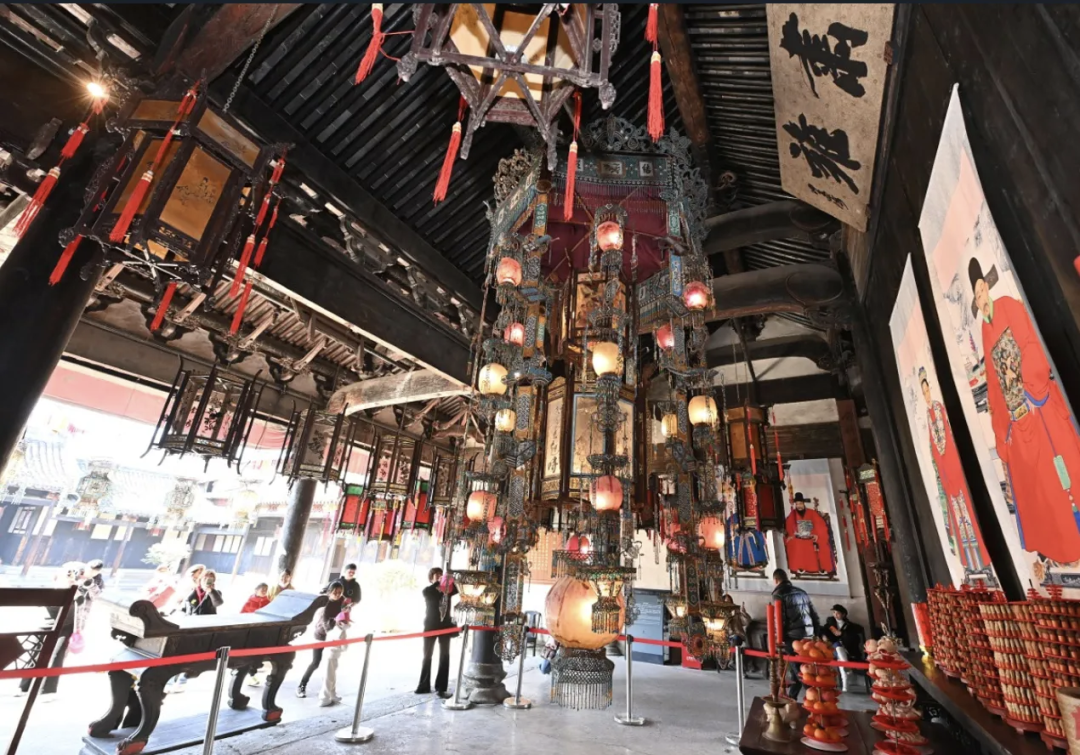
In Dongyang, woodcarving has long been integrated into daily life. The woodcarving furniture found in every household is a gift bestowed by time itself. The Suyong Hall of the Lu Residence, in particular, showcases the captivating charm of Dongyang woodcarving to the fullest extent, enjoying the prestigious reputation that "just as the Forbidden City stands in the north, Suyong Hall stands in the south."
The main hall of this ancient Ming and Qing dynasty structure showcases a convergence of various carving techniques, including high relief, low relief, openwork carving, and sculpture in the round. The craftsmanship is deft and masterful, with vividly rendered scenes—flowers, birds, fish, insects, and human figures and stories—all springing to life from the wood. Within its intricately carved beams and painted rafters lies the pinnacle of Jiangnan classical architectural aesthetics, as well as the enduring craftsmanship passed down through generations by Dongyang artisans.
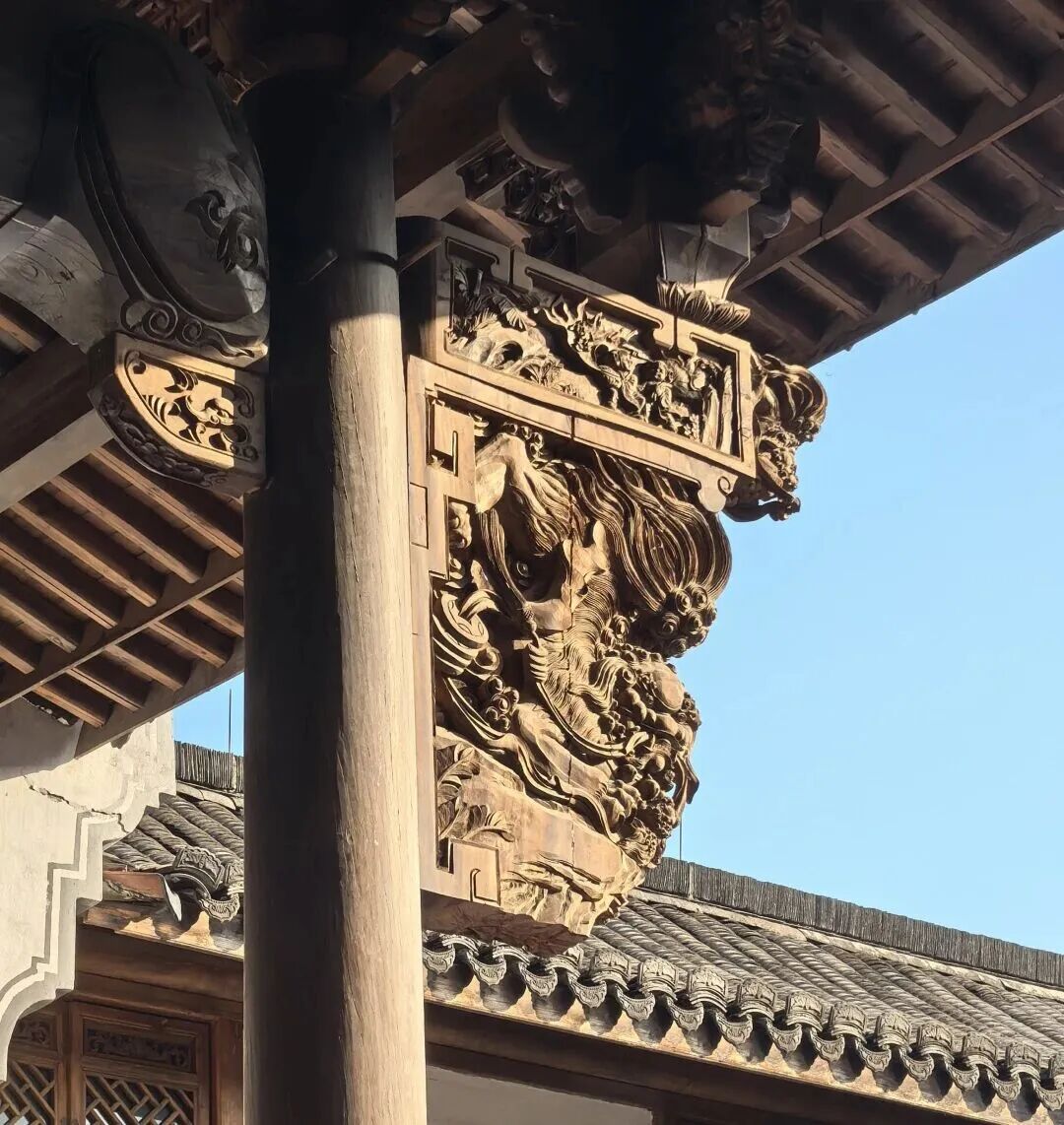
From the ancient art of wood carving to the enduring vitality of traditional crafts such as bamboo weaving, intangible cultural heritage lanterns, and brewing, Dongyang has always remained steadfast in preserving and safeguarding traditional craftsmanship, ensuring that ancient skills retain their vitality amidst the trend of the times. In this fast-paced era, this deliberate, unhurried dedication to craftsmanship not only represents the continuation of Eastern aesthetics but also embodies a steadfast commitment to China’s outstanding traditional culture.
From the Viral Success of Light and Shadow to the Inheritance of Cultural Heritage
From the Metamorphosis of Transportation to the Perseverance of Craftsmanship
Fangcun Dongyang
It encapsulates the essence of worldly life and the elegance of the times.
On the Journey Home
We have always walked alongside our hometown and kept pace with the times.
See you at the next stop!
This article was translated with AI assistance.
Editor: Fang Yiran