



By Li Linlu, Han Rui
Under the guidance of the University Youth League Committee and with the invaluable support of the School of Humanities and the School of Cultural Industries Management, the School of International Studies (SIS) at Communication University of China successfully concluded its third "Appreciating All Beauty, Beauty in Diversity" International Culture Festival on October 26, 2025. The festival transformed the vibrant Baiyang Market into a microcosm of the world, featuring 22 booths representing 19 languages, from English and Italian to Pashto, offering students and faculty an immersive journey across continents through engaging interactions.
The festival was a symphony of global cultures, harmonizing the passion of Spanish, the romance of French, the precision of Japanese, the rigor of German, the vibrancy of Korean, and the elegance of Italian. From the heart of Europe to the savannas of Africa, from East Asian aesthetics to Middle Eastern mystique, each booth served as a cultural capsule. Decorative national flags, informative posters, and ethnic ornaments vividly displayed the world's rich tapestry.
Each booth offered unique, interactive experiences. The Spanish booth captivated visitors with its gastronomic delights, featuring specially prepared Sangria and freshly made Tapas, while lively music fostered a fiesta atmosphere. The Japanese booth hosted a "wish mailbox" and offered voice-acting tutorials of classic anime lines, unlocking participants' inner "seiyu." The Arabic and Swahili booths displayed local delicacies and handicrafts, with East African drumbeats narrating mysterious tales, and a fortune wheel hiding unique Middle Eastern gifts. The French booth showcased cultural and creative products from Francophone countries, held brand-guessing games, and served delicate pastries, embodying Gallic elegance.
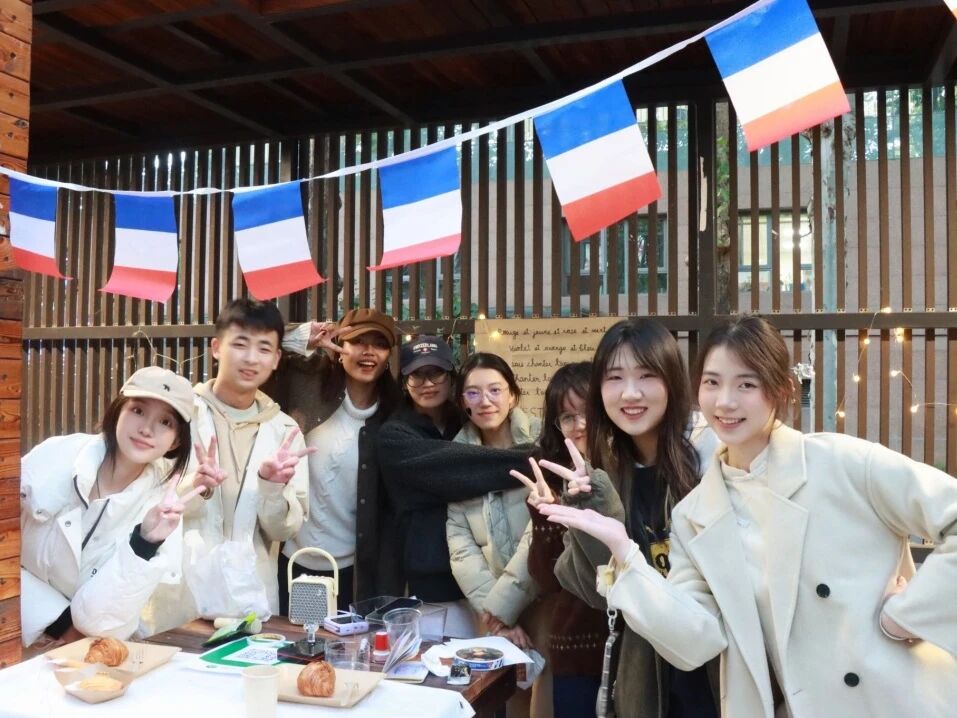
The French Booth
The spirit of exploration continued at the Turkish and Hungarian booths, where the temptations of Salami and sweet Baklava were paired with inventive challenges blending wine tasting with vocabulary games. The Nepali booth hosted friendly language-learning contests, demystifying its script and sounds, while the Malay booth introduced the urban pulse of Kuala Lumpur, the rich Peranakan culture, and the art of traditional batik through the universal language of popular songs. Celebrating Lusophone spirit, the Portuguese booth combined rich, aromatic coffee, and savory cod fritters with a spirited soccer-themed penalty shoot-out game, offering postcards as tokens of a culture deeply connected to the sea and the beautiful game.
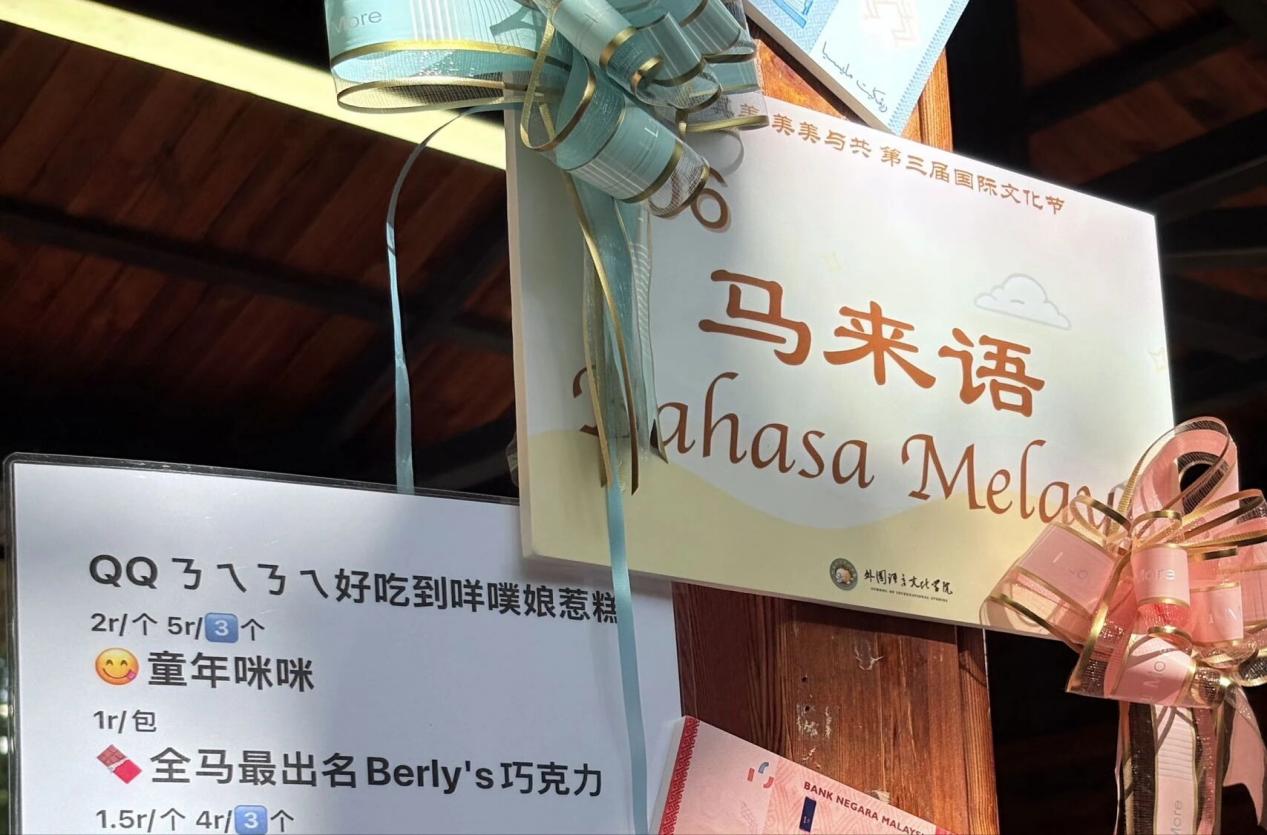
The Malay Booth
The Russian booth, adorned in classic white, blue, and red, shared folk songs and stories of the vast "Snow Kingdom." The Korean booth became a K-Pop hotspot with dance plays, while Chinese-Korean bilingual broadcasting students acted as "one-day shopkeepers." The German booth challenged minds with memory maze games, "Halligalli" card games, and cultural quizzes.
A highlight was the sale of cultural and creative products designed by students from the School of Cultural Industries Management, including intangible cultural heritage items like traditional Guangxi tea carvings, "Cao Xueqin Kite" series inspired by Dream of the Red Chamber, and exquisite silk flower ornaments, demonstrating young innovators' reinterpretation of traditional crafts.
The School of Humanities booth offered mooncake tasting and making, cyanotype bookmark crafting, and a "dialect challenge," bridging cultures through taste, ancient photography techniques, and the warmth of local accents. South Asian languages came alive at the Hindi and Urdu booths with spiced milk tea, Pakistani coffee, and intricate henna art. The Italian booth embodied "la dolce vita" with Tiramisu tastings, coffee sampling, gesture-guessing games, and Murano glass bracelet making. The English booth launched a global cultural adventure through song-recognition and movie poster interactions.
Regional pavilions further amplified the excitement. The Asian pavilion featured puzzle games and thrilling performances of J-Pop songs and K-Pop dances. The European pavilion combined educational quizzes and landmark matching with melodic guitar performances and stirring Russian choruses. The American pavilion engaged crowds with blind box challenges, timed puzzles, and tongue twister races, accompanied by Portuguese choral performances showcasing South American warmth.
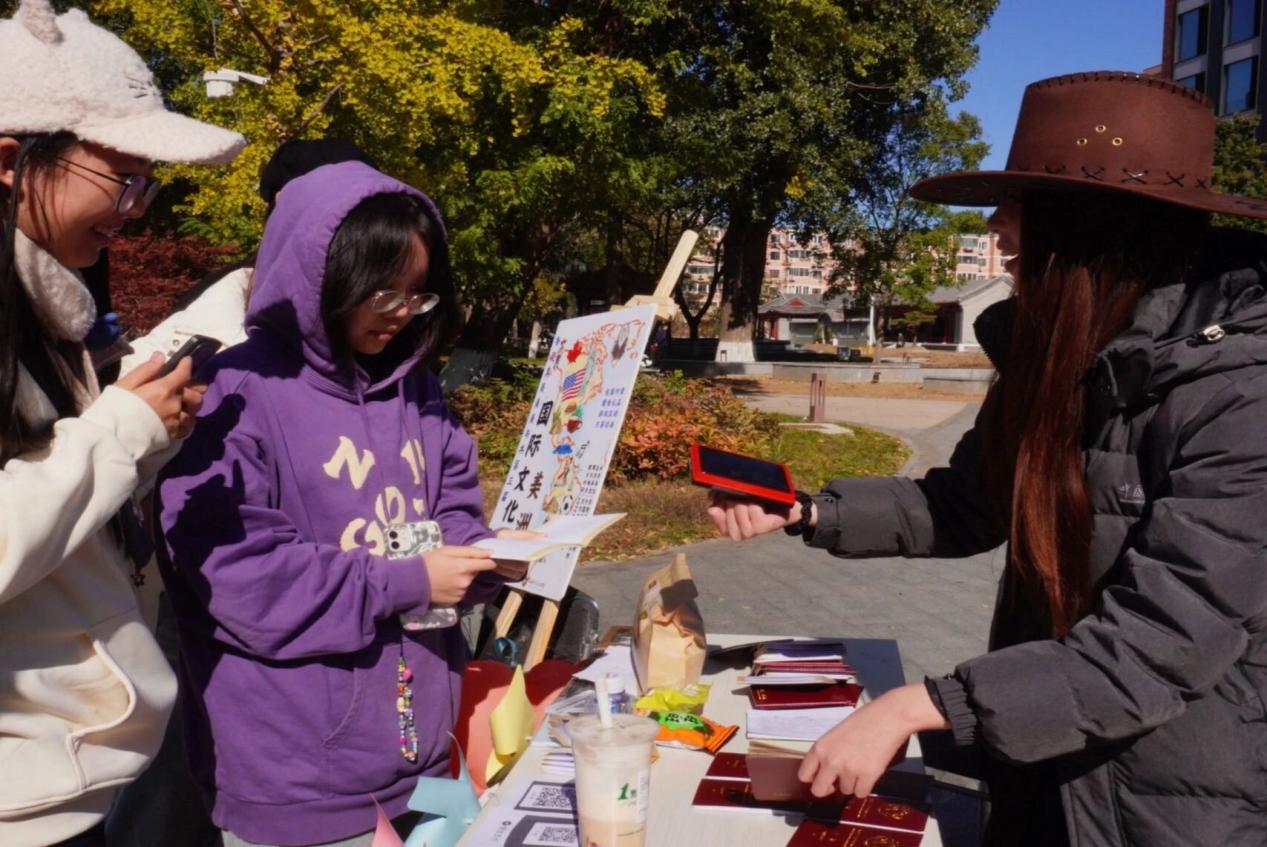
The American Pavilion
A joint Oceania & Africa tasting gala attracted many with chamilia beads crafting and African drum rhythm challenges. Their performances, including English solo, Arabic choir, and magic shows, created a dazzling cross-cultural dialogue.
The festival stage became a dynamic showcase of world arts, from the graceful Chinese dance "Flowing Water and Peach Blossoms" to soulful vocal solos, transforming diverse cultural charms into melody, movement, and vivid performance.
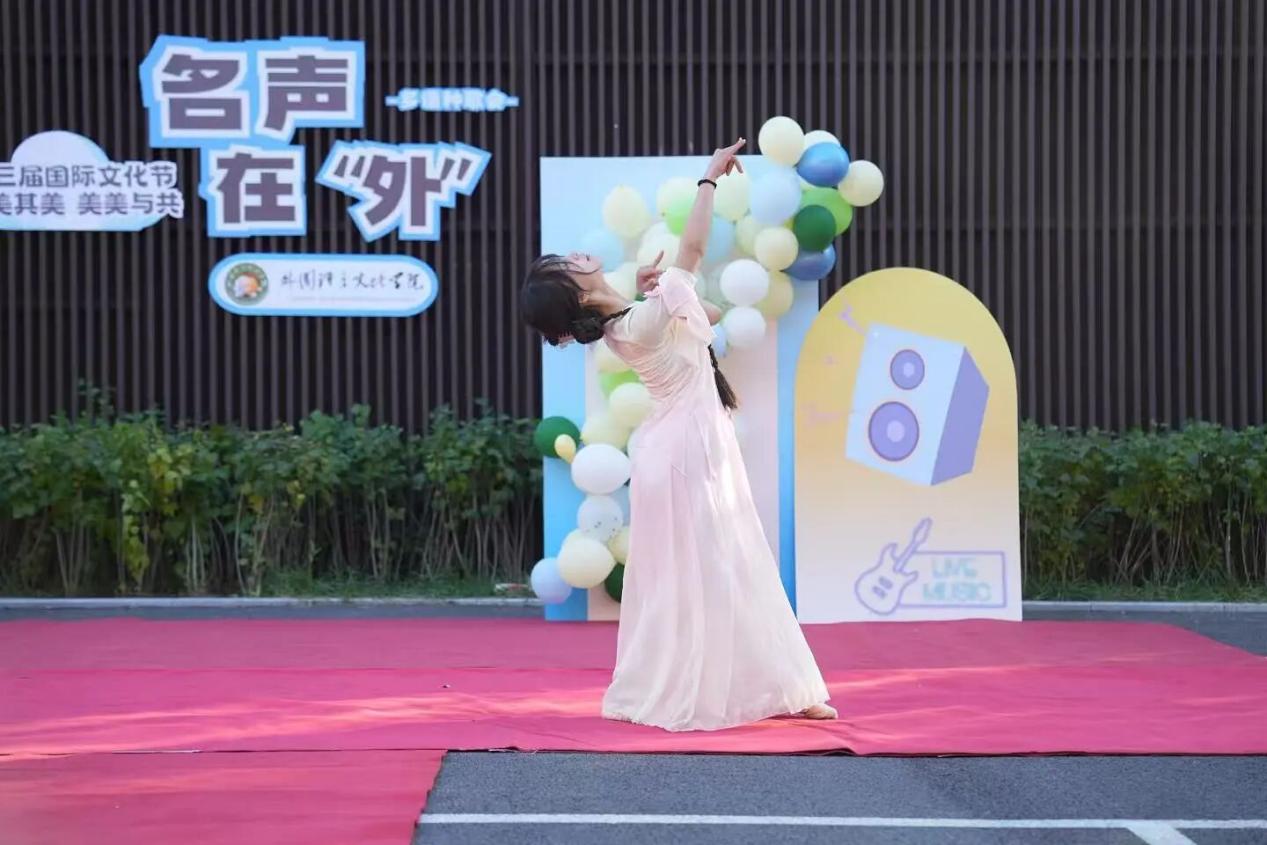
Chinese Dance "Flowing Water and Peach Blossoms"
The innovative "Culture Passport" perfectly encapsulated the festival's core philosophy. This beautifully designed booklet, stamped with unique, artistically crafted seals at each completed booth task, became every participant's most cherished souvenir. As the stamps proclaimed, "Appreciating All Beauty, Beauty in Diversity"—the event made this ideal palpable, allowing the elegance of Asia, the romance of Europe, the pioneering spirit of the Americas, the profound natural connection of Africa, and the serene allure of Oceania to unfold in one shared space, fostering deep resonance within the students.
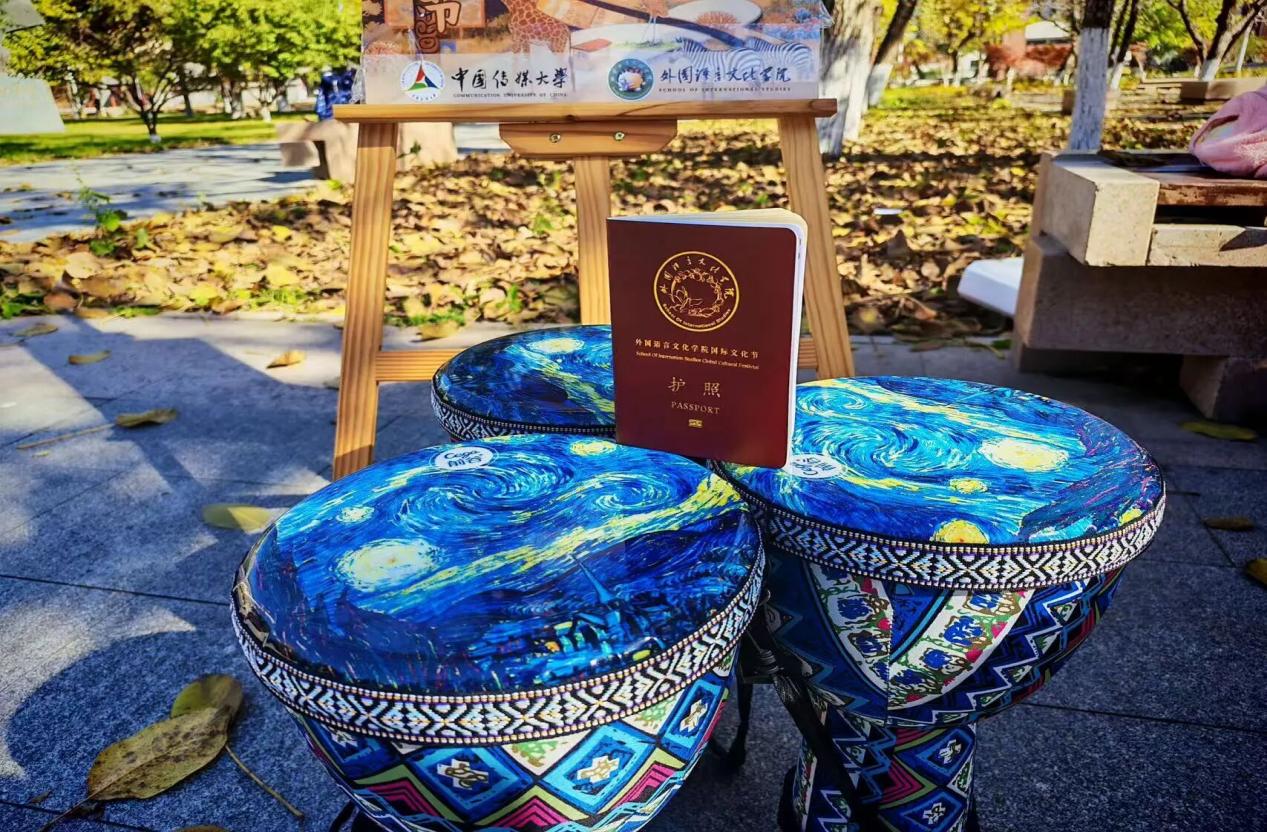
The Culture Passport
As the autumn twilight deepened, the third International Culture Festival drew to a perfect, memorable close. Participants who had arrived buzzing with anticipation departed enriched by cultural resonance and new connections. Though this golden autumn rendezvous has ended, the world it revealed—interconnected by the threads of language—remains forever open to the curious, the passionate, and the engaged.
For over seven decades, Communication University of China has stood at the forefront of media and communication education. This festival stands as a vibrant testament to the School of International Studies' fundamental mission to "Connect China and the World through Languages." It is where pedagogy leaps from textbook pages into the lived experience, where vocabulary and grammar transform into bridges of genuine friendship, and where seeds of cross-cultural understanding are sown in fertile ground. By opening these vivid windows to diverse civilizations, SIS allows them to meet, dialogue, and collide in the most beautiful and inspiring sparks right on campus.
Looking ahead, the School of International Studies at CUC is committed to building upon this success. We will continue to innovate and expand platforms for meaningful cross-cultural exchange, steadfastly using language as our primary bond. Through our academic rigor and creative spirit, we aim to nurture globally competent talents who can expertly interpret the world for China and articulate China's stories to the world, thereby contributing to a future of mutual understanding and shared flourishing among all civilizations.
Editor: Fang Yiran
Managing Editor: Shao Jianyu
Editor-in-chief: Yu Ran,Yang Zhongtian