




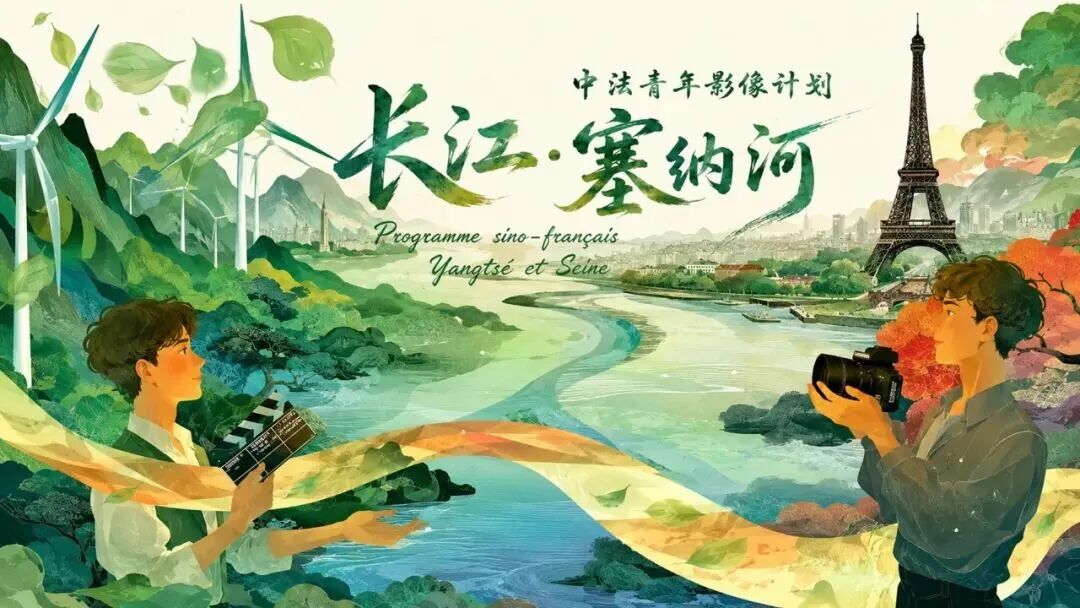
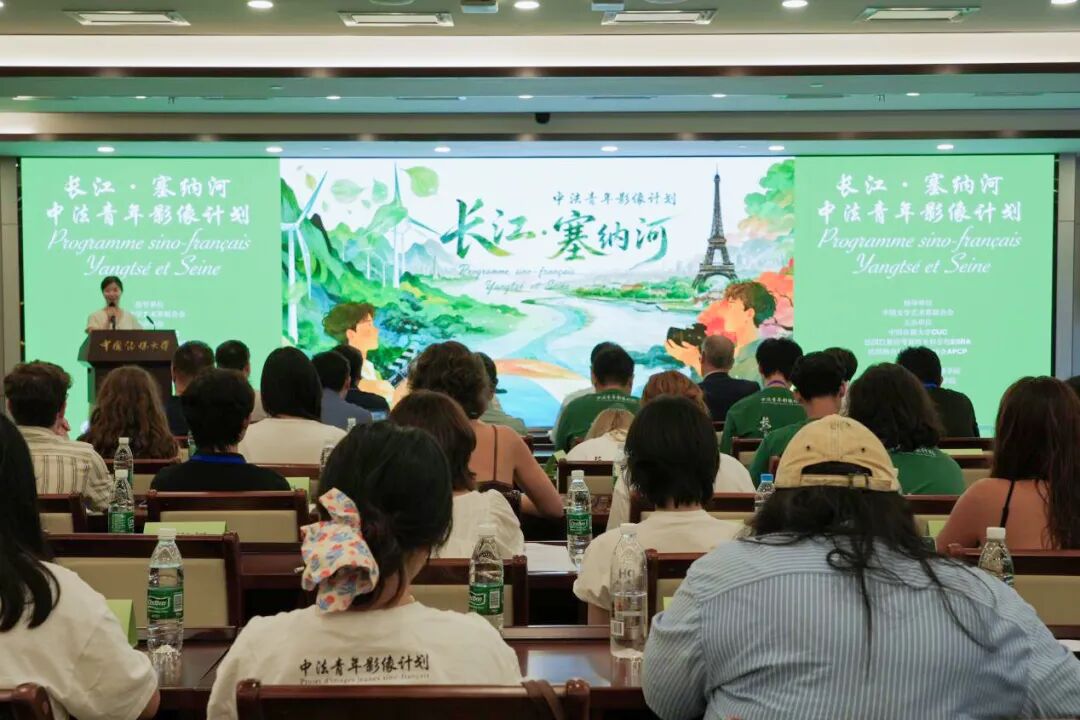
On July 25, the closing ceremony and awards presentation of the inaugural "Yangtze–Seine" China-France Youth Visual Storytelling Programme was held at Communication University of China. The programme was guided by the China Federation of Literary and Art Circles and jointly organised by Communication University of China, France's École supérieure d'audiovisuel and the French Co-production Producers Association. It was co-organised by CUC's School of Film and Cinematic Arts and ESRA International Film School, with support from CUC's Office of International Exchange and Cooperation.
Yu Hailin, Director of the International Liaison Department of the China Federation of Literary and Art Circles; Zheng Peng, Deputy Secretary of the CPC CUC Committee and Secretary of the CUC Commission for Discipline Inspection; Nicolas Deschamps, President of the French Co-production Producers Association; Sun Bin, Deputy Dean of CUC's School of Film and Cinematic Arts; Li Jing, Deputy Director of CUC's Office of International Exchange and Cooperation; Liu Ying, CUC representative for ESRA; Chi Jianxin, Deputy General Manager of China Central New Film Group, National First-Class Director and Chair of the judging panel; as well as mentors, judges and media representatives from China and France attended the ceremony, with more than 100 guests witnessing the presentation of the programme's creative achievements. Zhao Hui, Director of the Basic Education Department of CUC's School of Film and Cinematic Arts, hosted the closing ceremony.
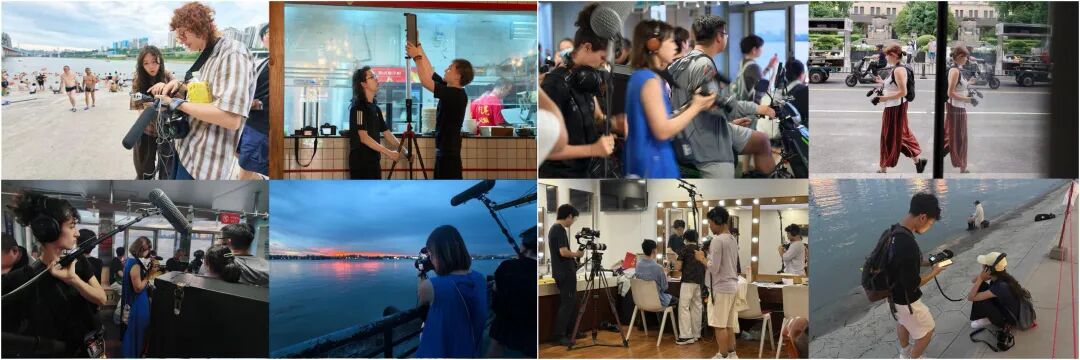
The programme adopted a model combining "online planning + 14 days of on-site production." Its distinctive features included one-to-one collaboration between Chinese and French young creators, joint guidance by international mentors working in groups, and global dissemination of bilingual productions. Drawing on the international and equal-footing perspectives of young people from both countries, the programme presented the ecological governance achievements of the Yangtze River basin, its millennia-old cultural heritage, the vitality of innovation and technology along the river, and the everyday lives of local communities.
The creative work centred on five themes:
"Clear Waters and Peaceful Shores: Protecting the Yangtze River Ecosystem", focusing on ecological conservation achievements including the Yangtze River's ten-year fishing ban, water pollution control and wetland restoration;
"Flavours Along the River: Food and Everyday Life", exploring distinctive food cultures, local products and bustling markets along the Yangtze;
"The Cultural Legacy of the River: A Millennium of Heritage", documenting intangible cultural heritage, historic architecture and the transmission of history and culture along the river;
"Smart River Cities: Technology Empowering the Waterfront", showcasing environmental technologies, smart water management and green-industry development in cities along the river;
and "Living by the Water: Everyday Life Along the Yangtze", capturing authentic scenes from the daily lives of ordinary residents living along the river.
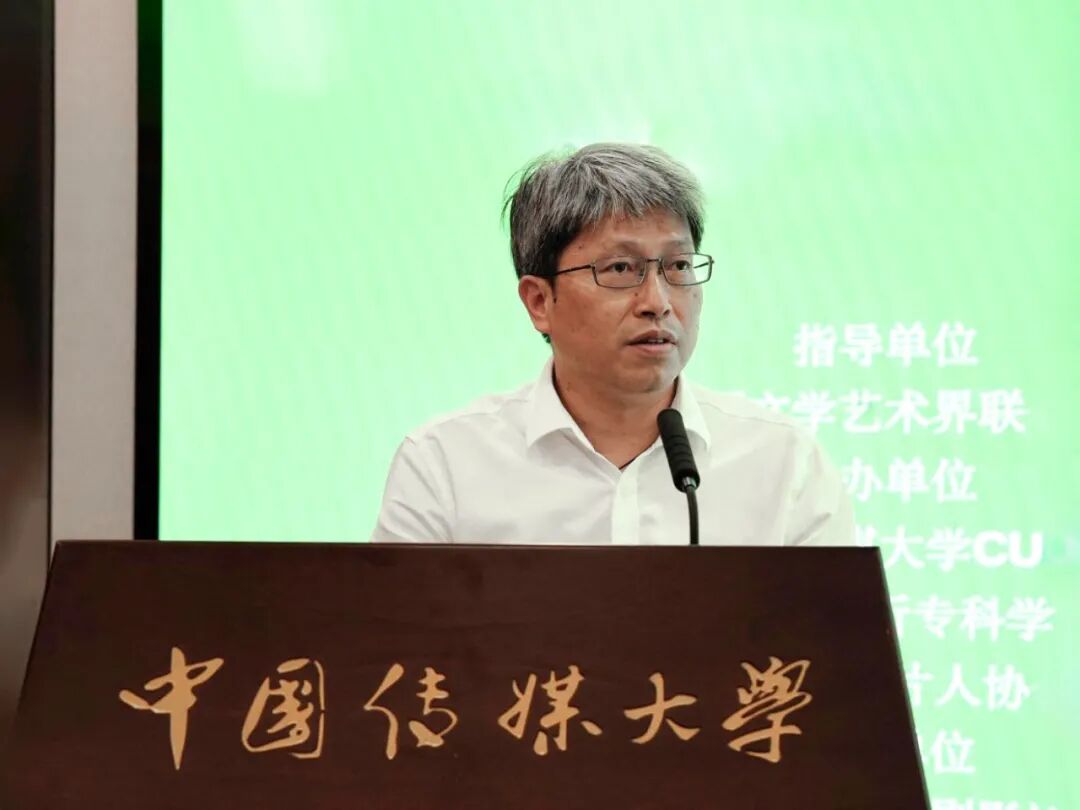
In his address, Zheng Peng warmly congratulated the programme on its successful conclusion. He said that in just over ten days, young people from China and France had crossed geographical and cultural boundaries to complete 15 high-quality documentary shorts. What they gained was not only professional creative experience, but also a deeper appreciation for authenticity, diversity and collaboration. CUC will continue to rely on long-term China-France people-to-people exchange mechanisms to expand platforms for transnational visual co-creation, international media talent development and dialogue between Chinese and foreign arts and cultures. The university will continue to promote substantive exchanges in film, television and youth arts between the two countries. He encouraged young people from both countries to treasure the experience and friendship gained through the programme and continue to use visual storytelling as a medium for telling stories of cultural exchange and mutual understanding.
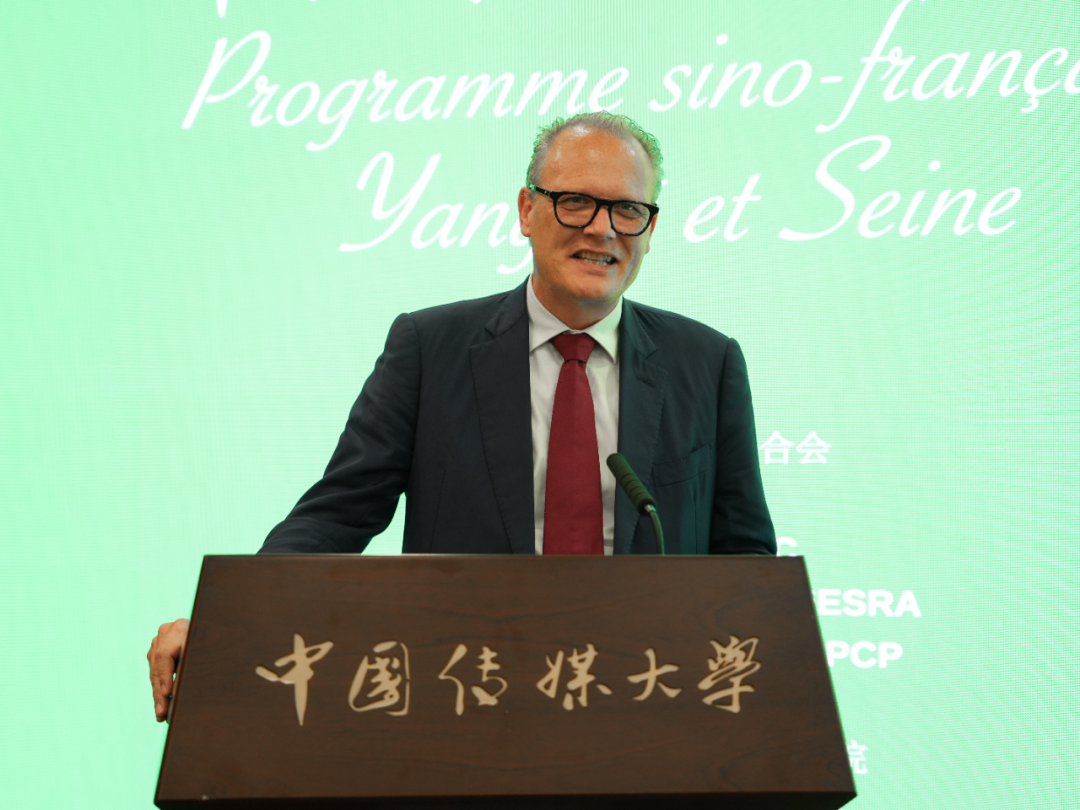
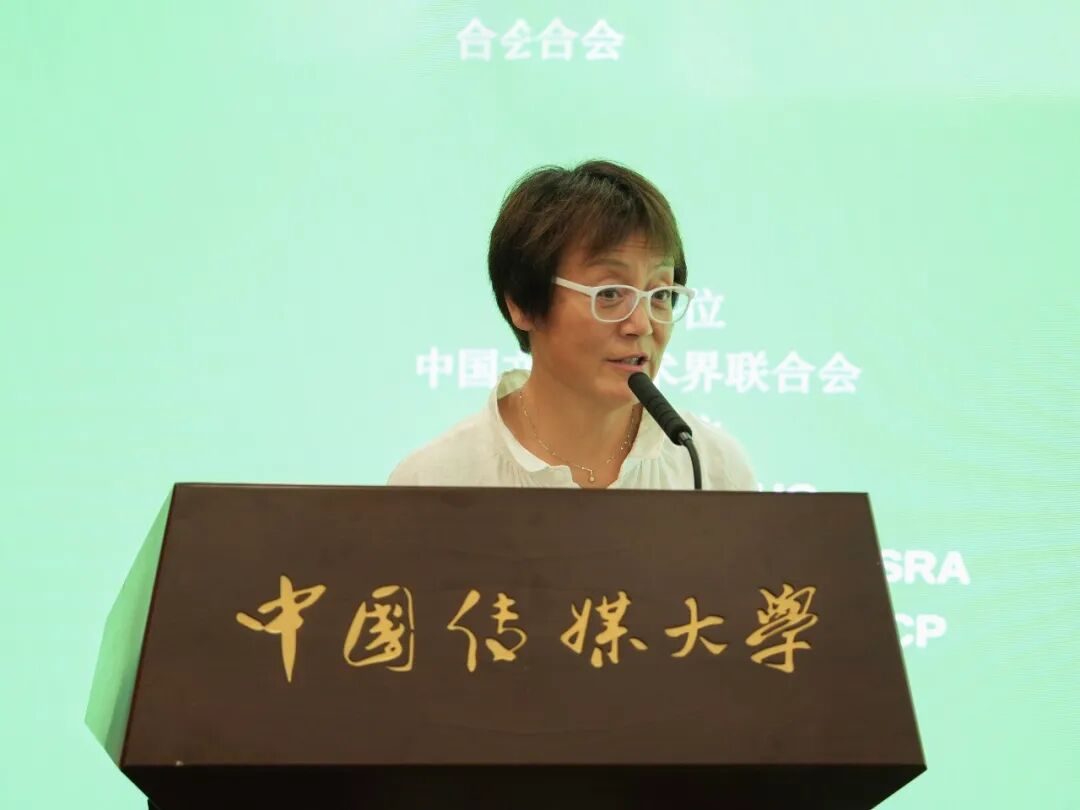
Nicolas Deschamps and Liu Ying also delivered remarks, expressing high recognition of the successful conclusion of the programme and the outstanding performance of the young creators. They looked forward to further deepening cooperation between China and France in film and television, using high-quality youth exchange programmes to promote cultural and artistic exchange and joint talent development, and injecting sustained youthful energy into China-France people-to-people exchange.
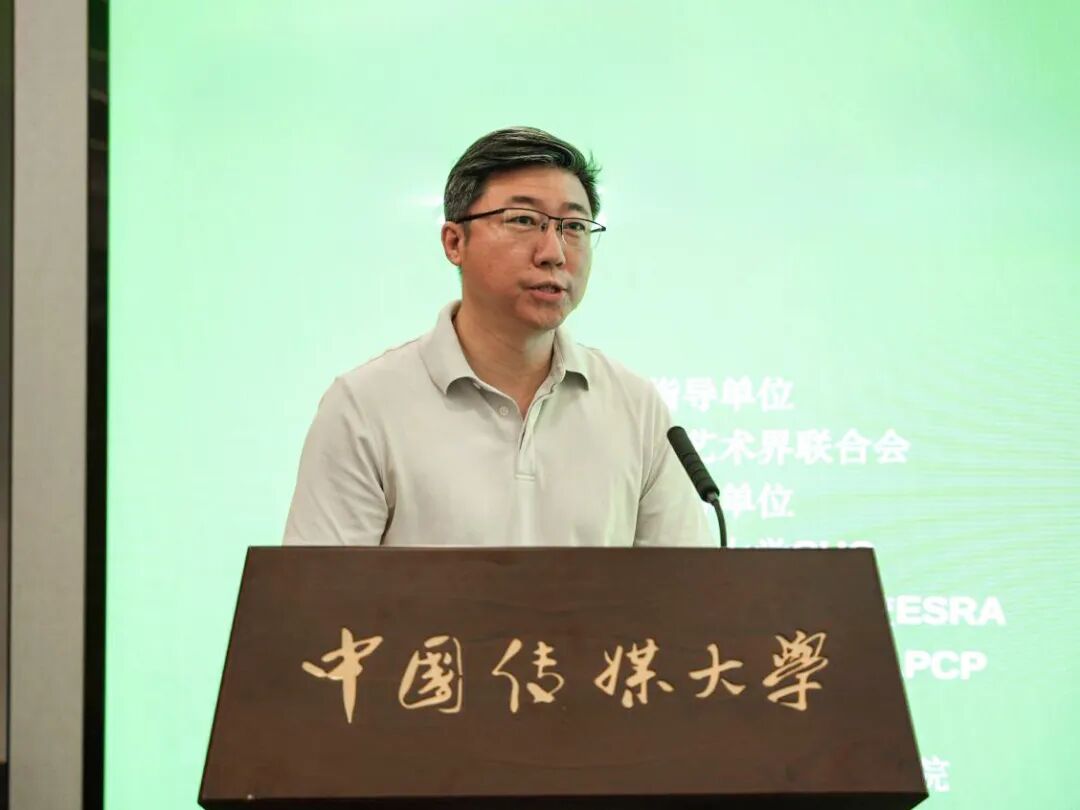
Sun Bin reviewed the overall development of the programme and encouraged participants to continue refining their works, bringing the visual stories carrying the friendship between China and France to international audiences and using the power of youth to promote mutual learning among civilisations and the ideal of shared beauty.
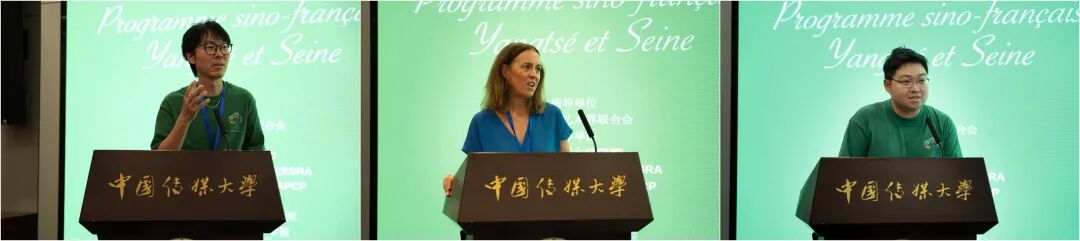
Mentors representing the three production teams—Tan Hua from Chongqing, Marie de Maubran, the French mentor representative for Nanjing, and Liu Hang from Wuhan—shared their experiences of topic development, on-site filming and post-production. They highlighted the collaborative abilities and creative potential of the Chinese and French young creators and summarised the experience and distinctive features of the transnational production process.
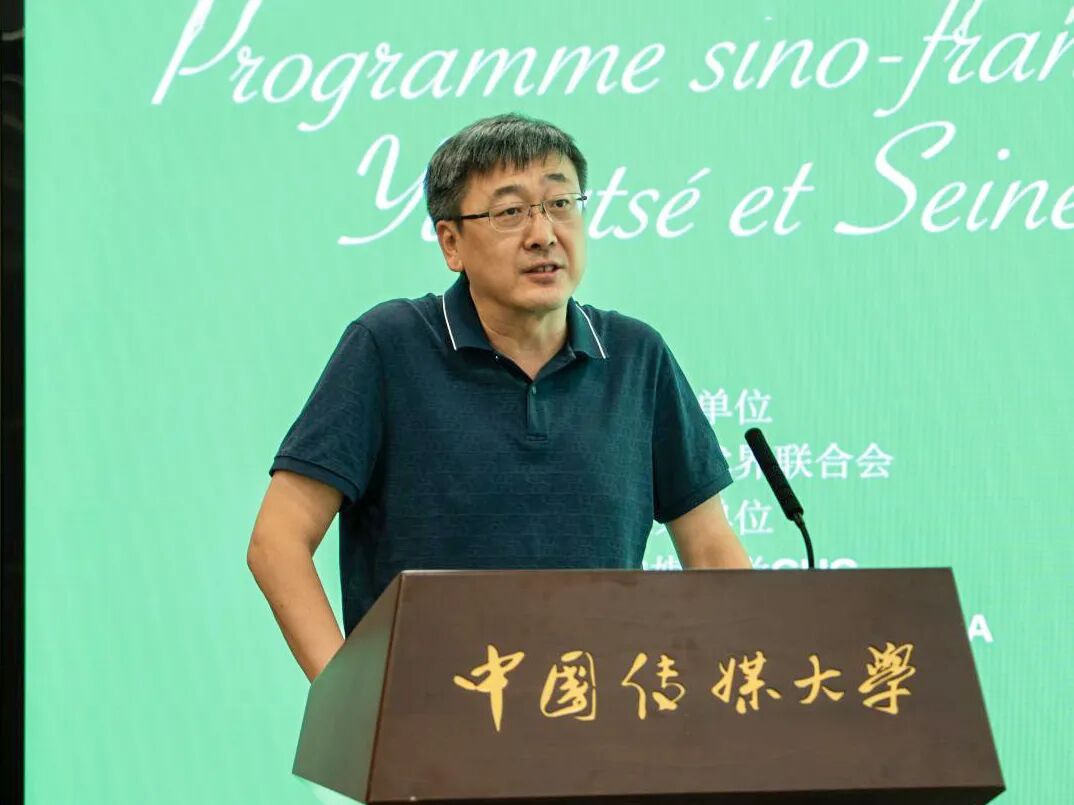
Chi Jianxin provided professional comments and advice based on the judging process. He said that from the launch of the programme to its successful conclusion, he had witnessed the growth and transformation of the young creators from both countries. The teams had incorporated the creative principles of "upholding authenticity, exploring details and responding to the questions of the times" into each work. Immersing themselves in the landscapes of the Yangtze and engaging closely with everyday life, the creators used integrated Chinese and French aesthetic perspectives to capture ecological changes and everyday scenes along the river. Their works combined a strong local sensibility with international resonance, creating a meaningful dialogue between visual storytelling and contemporary development.
He encouraged young creators to remember that visual storytelling has no final destination, to remain committed to artistic integrity and maintain an open and inclusive creative mindset, to continue developing their documentary practice and broaden their international perspectives, and to become chroniclers of the times, practitioners of cross-cultural communication and ambassadors of mutual understanding between Chinese and French civilisations.
Following a rigorous and impartial evaluation by the judging committee based on multiple criteria—including thematic conception, visual expression, narrative innovation, cross-cultural integration and international communication potential—all awards of the "Yangtze–Seine" China-France Youth Visual Storytelling Programme were announced.
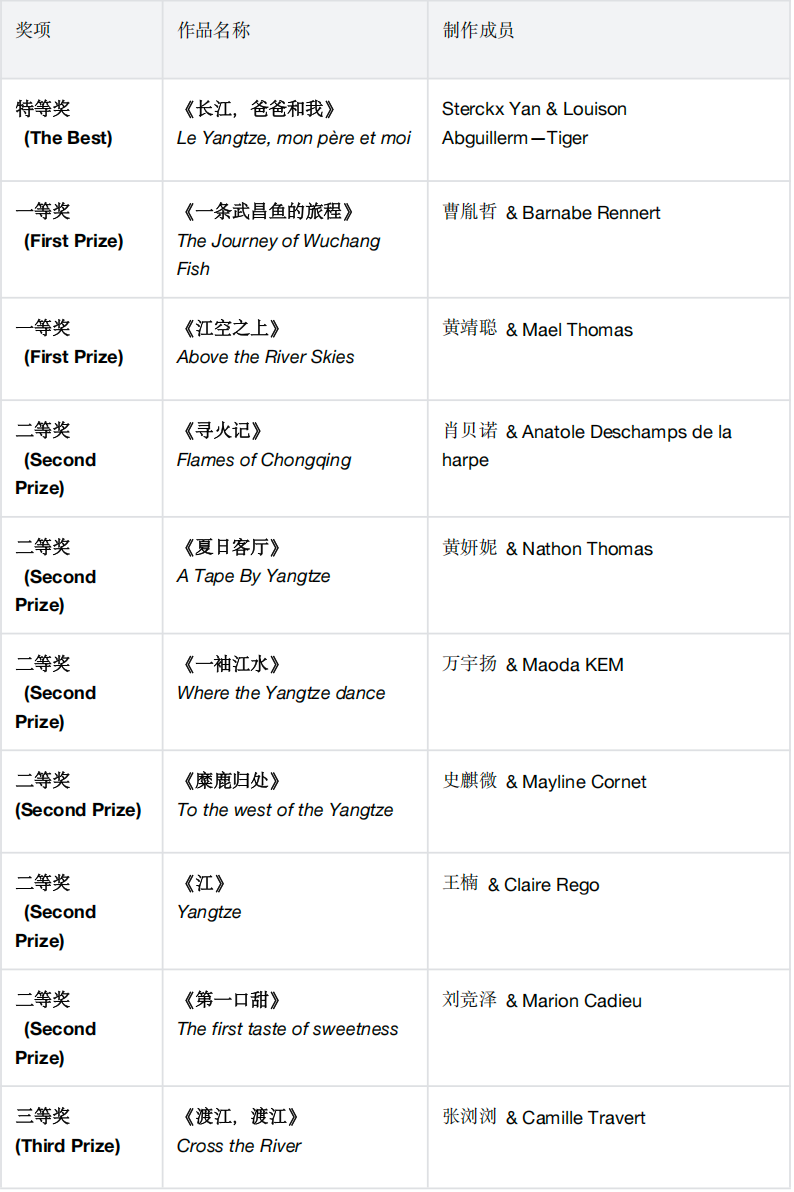
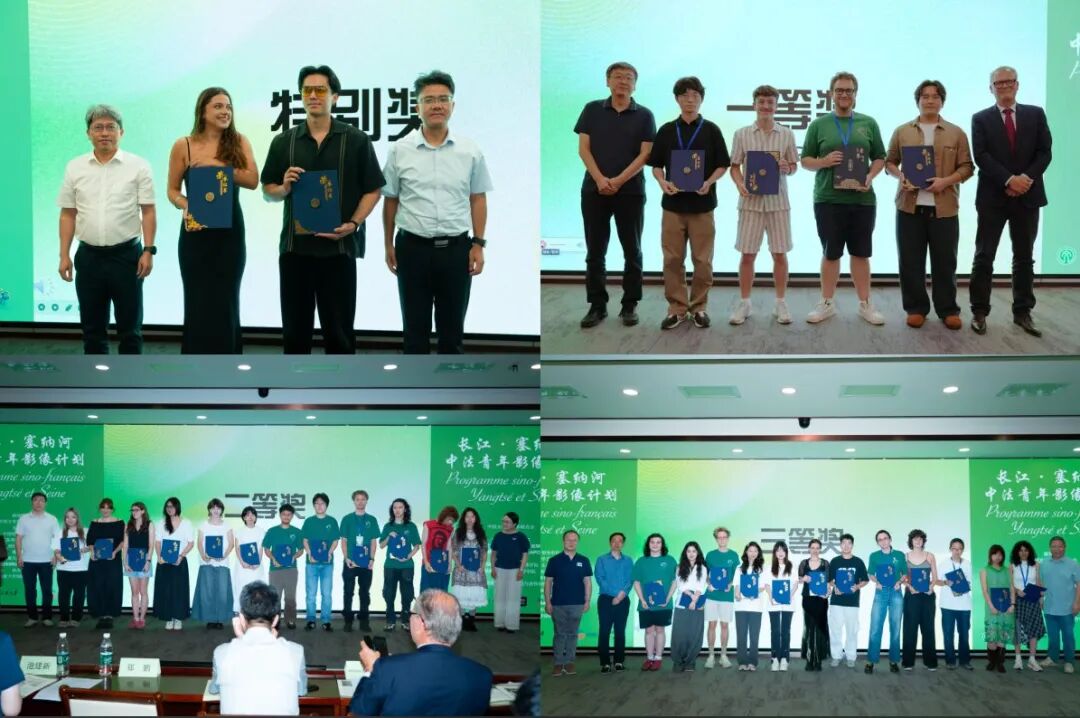
Honorary certificates were presented, followed by screenings of several award-winning micro-documentaries. Winning teams took the stage to share their reflections on the creative process.
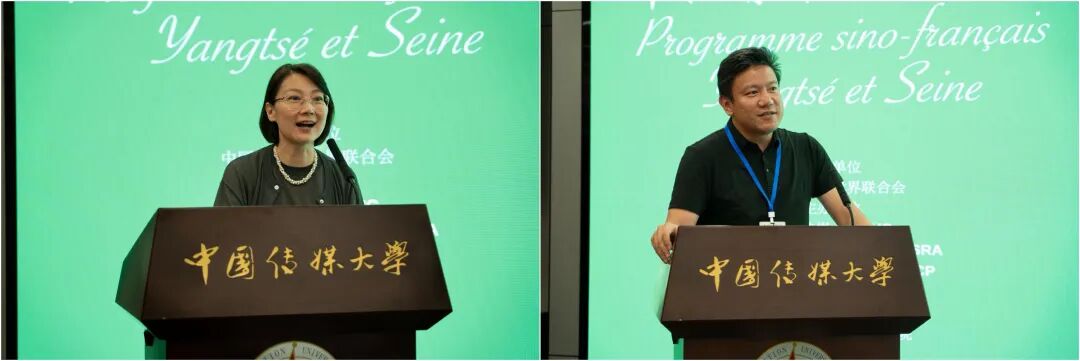
Programme producer Han Ying and Chinese mentor representative Gao Shuai also shared their reflections. The programme represented not only a deep creative exchange between young Chinese and French filmmakers, but also a valuable exploration of training international communication professionals in the new era—strengthening students' global perspectives, cross-cultural understanding and practical ability to tell China's stories through hands-on experience.
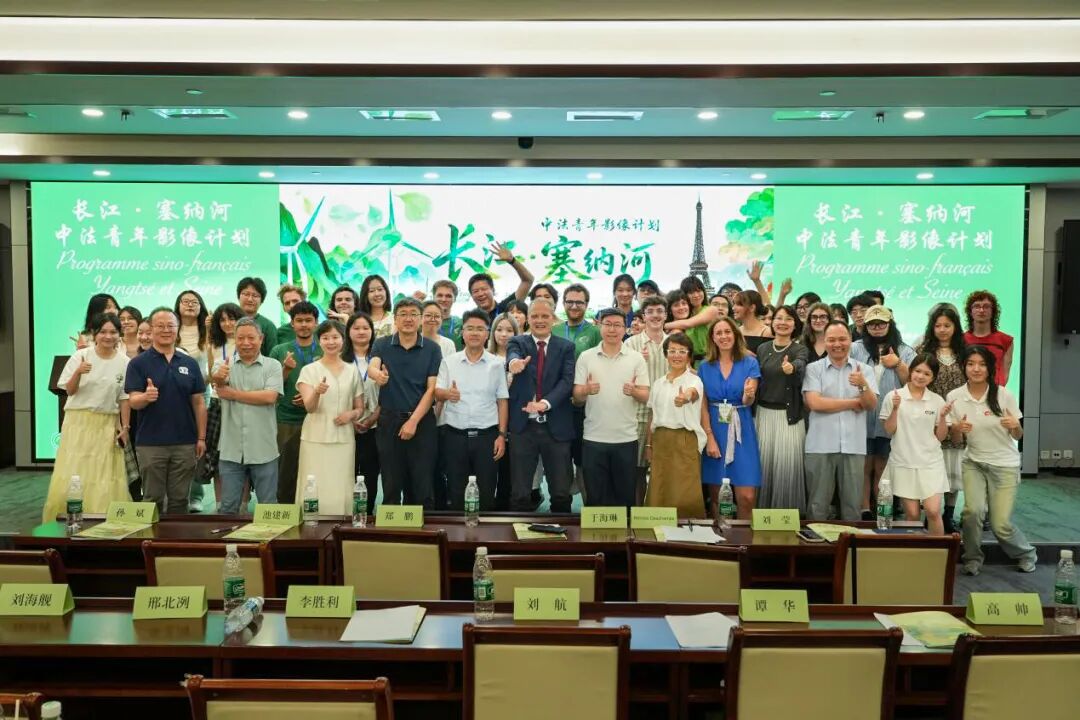
The closing ceremony brought the inaugural "Yangtze–Seine" China-France Youth Visual Storytelling Programme to a successful conclusion. Over more than ten days of creative journeys, young people from China and France used cameras as a bridge connecting the poetic beauty of the Yangtze and the Seine, writing a new chapter of mutual understanding and shared beauty between the two civilisations through the energy of youth.
This article was translated with AI assistance.
Editor: Fang Yiran