



By Wang Chuanjiang, Wu Hongyu
The "Global Civilizations in Dialogue" stands as a flagship academic platform established by the Academy of Regional and Country Communication at the Communication University of China (CUC). This initiative is strategically designed to advance regional and country studies, facilitate interdisciplinary dialogue, and bridge the gap between cutting-edge academic insights and solutions to contemporary global cooperation challenges. Serving as a pivotal interface for CUC faculty and students to engage with international research, the platform has consistently hosted distinguished scholars, industry leaders, and policy experts from across the globe. Its thematic focus encompasses critical regions such as Africa, Southeast Asia, and Latin America, while addressing key fields including international communication, public diplomacy, regional sustainable development, and cultural integration. Through its comprehensive programs, the "Global Civilizations in Dialogue" has established itself as a vital platform for fostering in-depth academic discourse that integrates theoretical frameworks with practical applications.
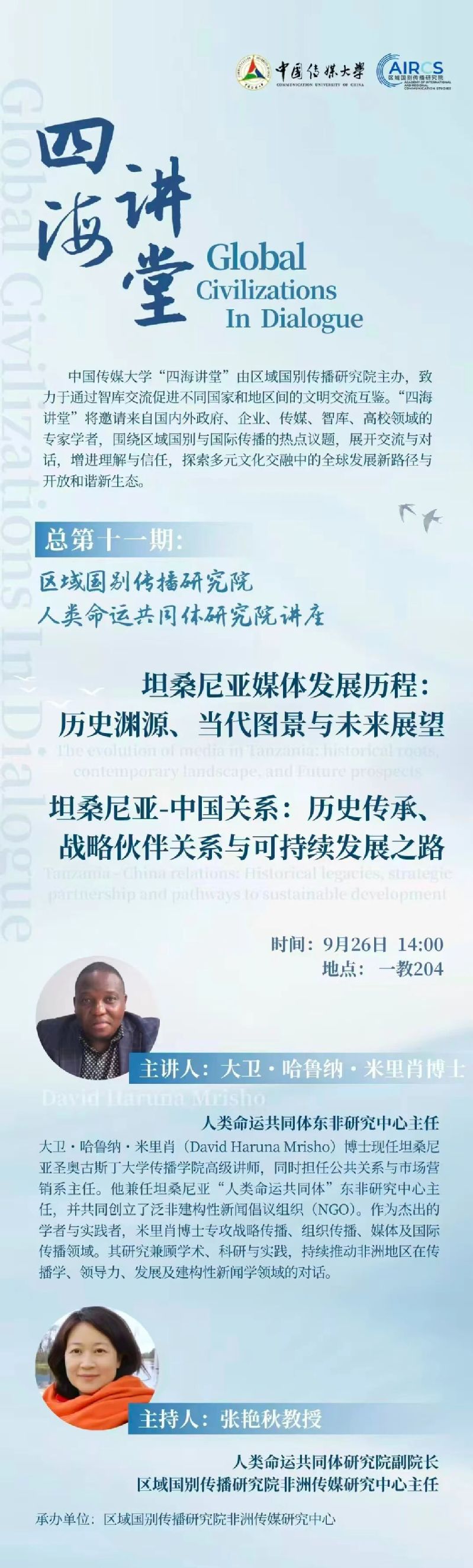
Poster of the "Global Civilizations in Dialogue" (Source: Internet)
On the afternoon of October 15, the "Global Civilizations in Dialogue" hosted another significant event. Professor Gao Liangmin, Director of the Center for Sub-Saharan African Studies at Tsinghua University's Institute of International and Area Studies, was invited by the Academy of Regional and Country Communication at CUC to deliver a keynote lecture titled "China-Africa Civil Society Interactions and Africa's Development Autonomy". The event was jointly organized by the Tanzania Research Center and the Côte d'Ivoire Research Center, both affiliated with the Academy of Regional and Country Communication, and aligns with the series' mission to explore regional dynamics and promote cross-regional understanding.
Ms. Ao Manyun, a professional teacher of Swahili, had a dialogue with Director Gao Liangmin as a panelist. Students majoring in Swahili attended the event to listen to Director Gao's sharing.
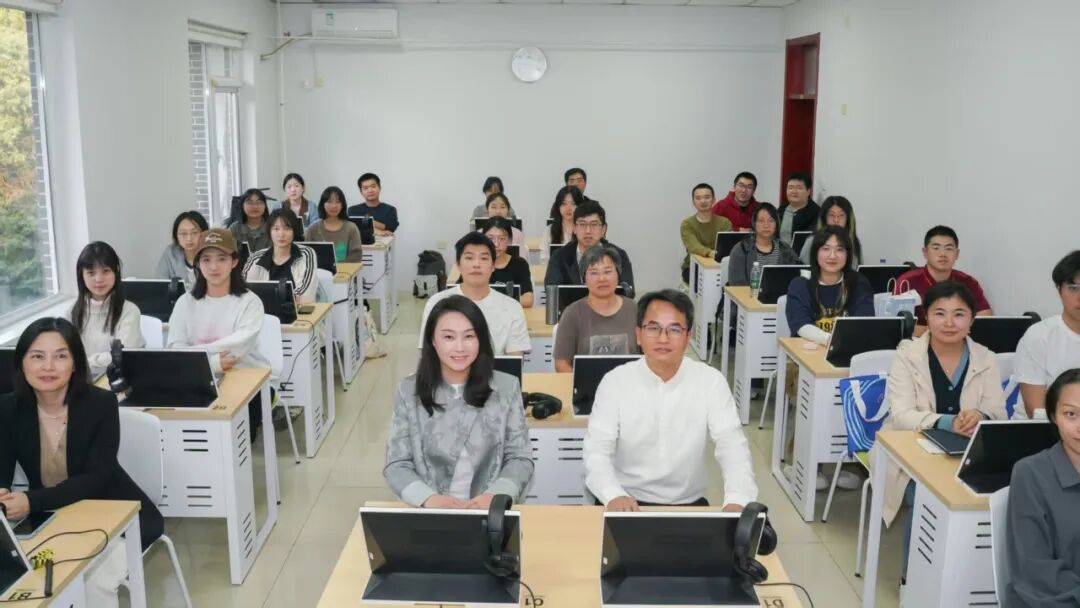
Group photo of event participants (Director Gao Liangmin, middle right)
Against the backdrop of increasingly close China-Africa ties, Director Gao Liangmin focused on the underlying logic of China-Africa cooperation and Africa's development autonomy. From the perspective of people-to-people interactions, he conducted research and understanding of African society, sorted out the influencing factors of the narrative of China-Africa people-to-people relations, and enriched and constructed the overall picture of China-Africa relations.
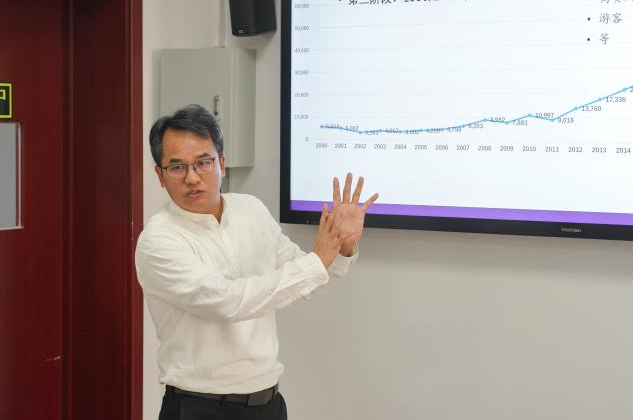
Dr. Gao is lecturing on the relevant content
Director Gao Liangmin's analysis and presentation resonated strongly with the audience. During the interactive session, two students such as Gao Xinyang and Wang Yunrui from the Swahili major, doctoral students from the Baiyang Class of International Communication, and listeners from both inside and outside the school, including those from the School of Animation and Xinhua News Agency, actively spoke up and asked questions, creating a lively atmosphere at the scene.
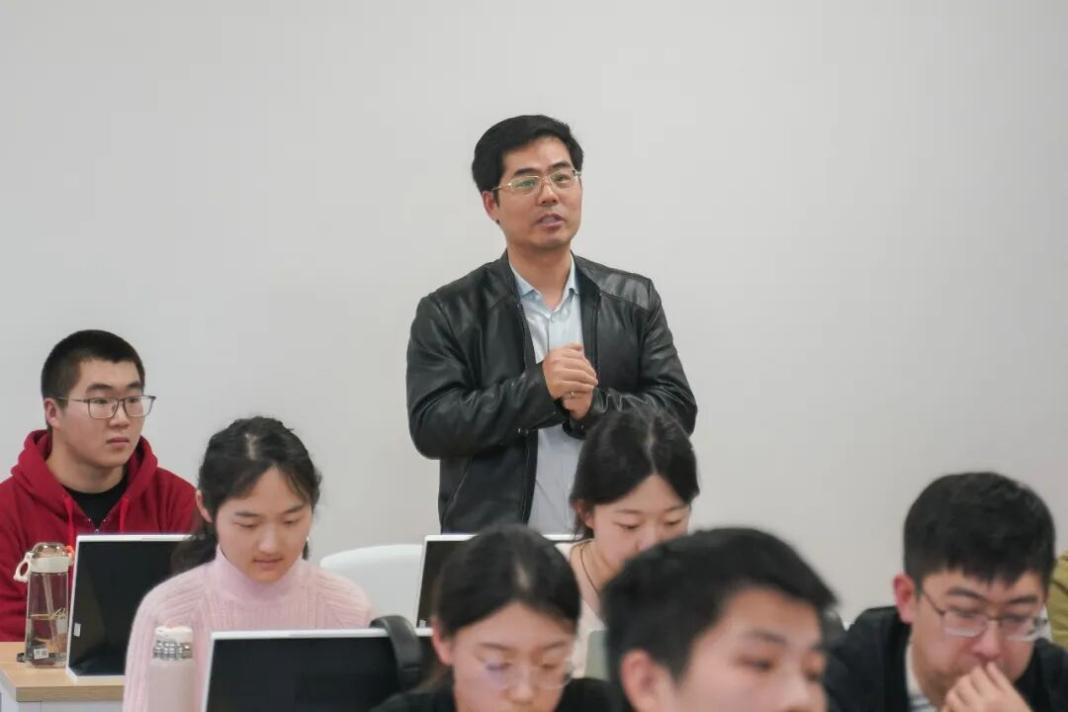
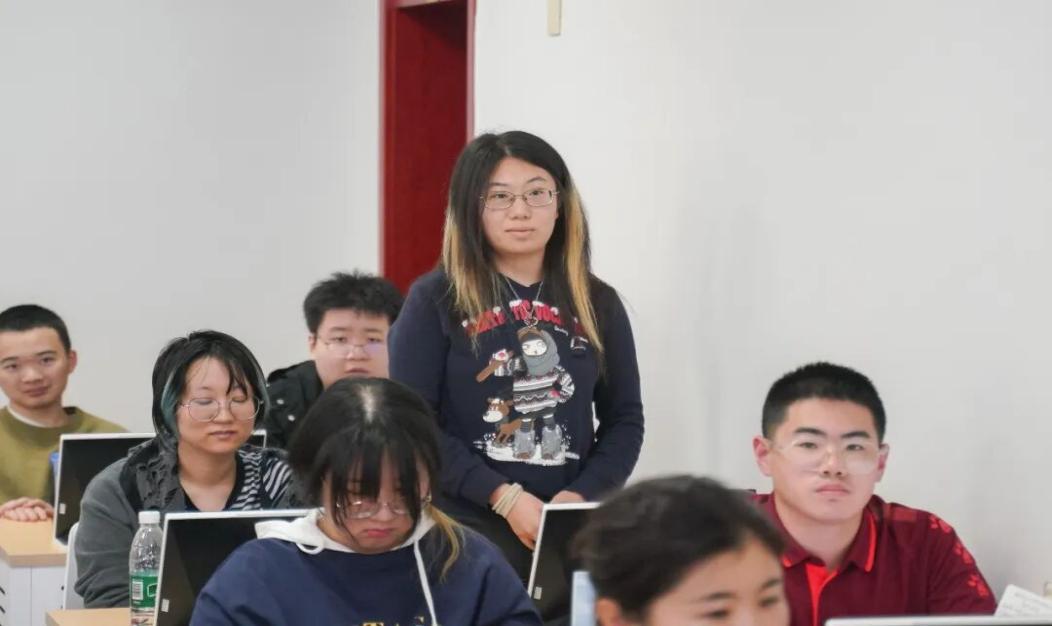
The audience actively participating in the discussion
The detailed case sharing with a unique research perspective greatly inspired the junior students majoring in Swahili at the event.
Fu Jiahui (Akili) said that the lecture had been extremely rewarding for her. She not only got exposed to a lot of new knowledge but was also deeply touched by real-world issues such as the situations and conflicts of Chinese and Tanzanian traders within the context of non-governmental relations between China and Africa. "The content was both vivid and profound, which greatly broadened my knowledge and allowed me to understand the practical value of the Swahili major from a brand-new perspective," she said.
Wang Yunrui (Suleiman) shared that the lecture had opened a new window for him to understand China-Africa relations. "Professor Gao closely connected trade, society, and non-governmental relations, presenting a fresh and in-depth interpretation," he said. The lecture enabled him to acquire comprehensive insights into the pivotal role of ancient Arab and Persian trade in establishing connections between Africa and the Islamic world. Furthermore, it facilitated his clear understanding of the profound integration of contemporary China-Africa trade into the daily lives of ordinary citizens, which has evolved into a significant linkage fostering bilateral relations between China and Africa.
Yang Siqi (Parachichi) frankly stated that the lecture had reshaped her perception of non-governmental interactions between China and Africa and made her deeply understand the significance of Africa's development autonomy." Professor Gao's insightful presentation significantly expanded my academic horizons and facilitated the establishment of a foundational systematic comprehension of pertinent disciplines. This constituted an exceptionally valuable educational experience," she remarked.
At the end of the lecture, the panelist, Ms. Ao Manyun, used the three academic works of Director Gao Liangmin to explain three key points of regional and country studies. Firstly, it is the disciplinary foundation; secondly, field surveys; and thirdly, theoretical improvement. She encouraged the students to organically combine their professional knowledge, on-the-spot investigations, and theoretical thinking to continuously enhance their academic capabilities.
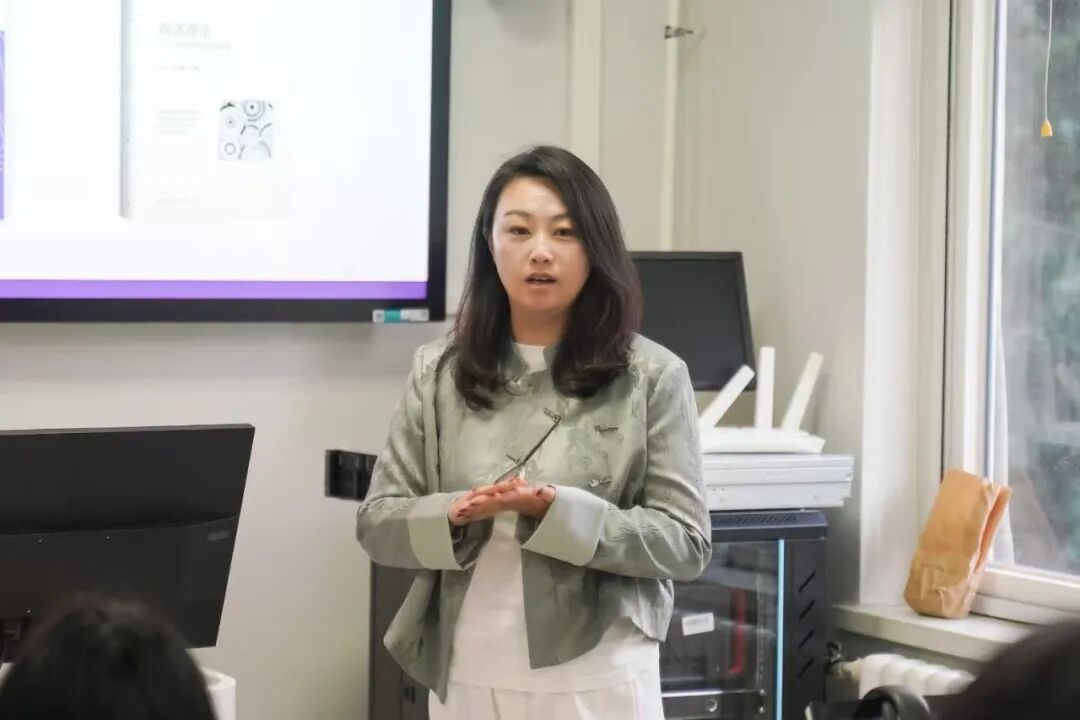 Ms. Ao Manyun summarizing the key points
This lecture not only established a vital linkage between academic research and practical challenges but also reinforced students' commitment to delve profoundly into Swahili studies and contribute to the cause of Sino-African civil diplomacy. Moving forward, students will internalize the inspirational guidance provided by Ms. Ao Manyun. While systematically enhancing their linguistic competencies, they will actively acquire region-specific and country-specific knowledge, and diligently engage in field research. Furthermore, they will refine their professional expertise through the integration of theoretical knowledge with practical applications. It is anticipated that, as "civilian diplomats", by leveraging their linguistic proficiencies and cross-cultural competencies, they will serve as pivotal intermediaries in domains such as Sino-African trade communications, cultural dissemination, and the mediation of non-governmental disputes.
The "Global Civilizations in Dialogue" initiative will persist in its role as a connector. It will continue to invite distinguished scholars and industry experts to deliver cutting-edge presentations, focusing on critical topics including regional and country-specific studies and cross-cultural exchanges. This platform will construct an elevated stage for academic exchange among faculty and students, facilitating the expansion of international perspectives and the deepening of professional insights. It will consistently empower the enhancement of mutual trust between China and Africa and support Africa's autonomous development, ensuring that the enduring friendship between China and Africa flourishes through the dissemination of knowledge and the active participation of the younger generation.
Editor: Fang Yiran
Managing Editor: Shao Jianyu
Managing Editor: Yu Ran, Chen Yiwen, Yang Zhongtian