






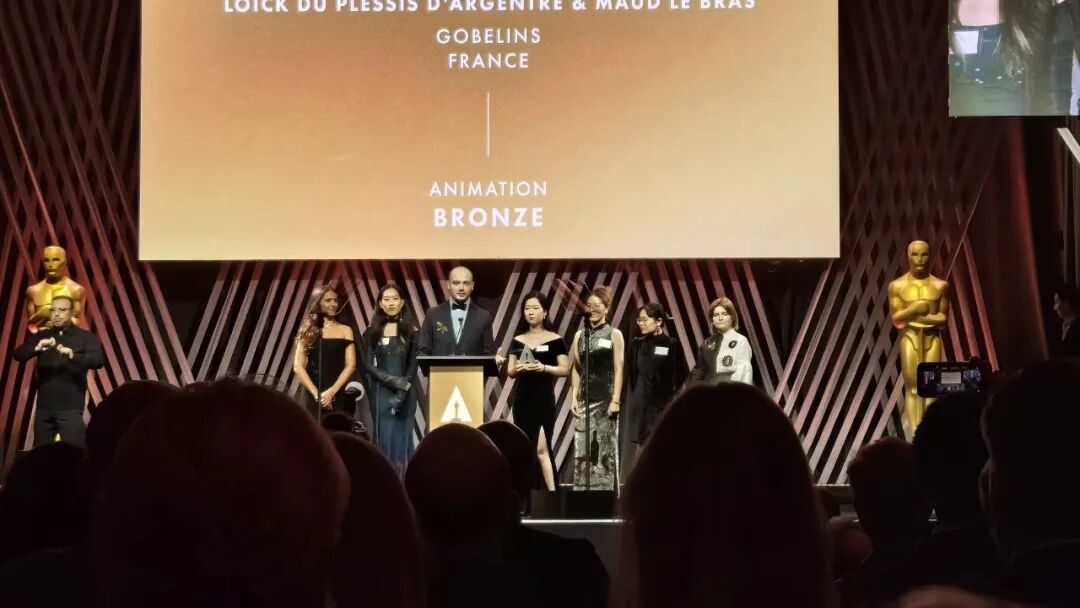
Recently, "The Shyness of Trees," a work by Shu Bingqing, a 2016 animation graduate from the School of Animation and Digital Arts at Communication University of China, was shortlisted for the Oscar for "Best Animated Short Film."
The list is selected by professional judges of the Academy of Motion Picture Arts and Sciences. The works included in the pool primarily come from award-winning masterpieces at major Oscar Qualifying Festivals around the world in that year. "The Shyness of Trees" successfully broke through layers of competition among hundreds of top award-winning animated films globally, making it into the global top 15. Currently, the work will continue to contend for the final 5 nomination slots for the Oscar for "Best Animated Short Film."
Award Introduction
The Academy Awards, often referred to as the Oscars, were established by the Academy of Motion Picture Arts and Sciences (AMPAS). They represent the oldest and most influential highest honor in the global film industry.
The "Best Animated Short Film" category, which it established, features particularly fierce competition, aiming to recognize animated works that are groundbreaking in both artistic form and technical methods. Previous winners of the Academy Award for Best Animated Short Film include many animation legends, such as Pixar co-founder John Lasseter, Aardman Animations stop-motion master Nick Park, and Michael Dudok de Wit, director of "Father and Daughter."
Author Introduction
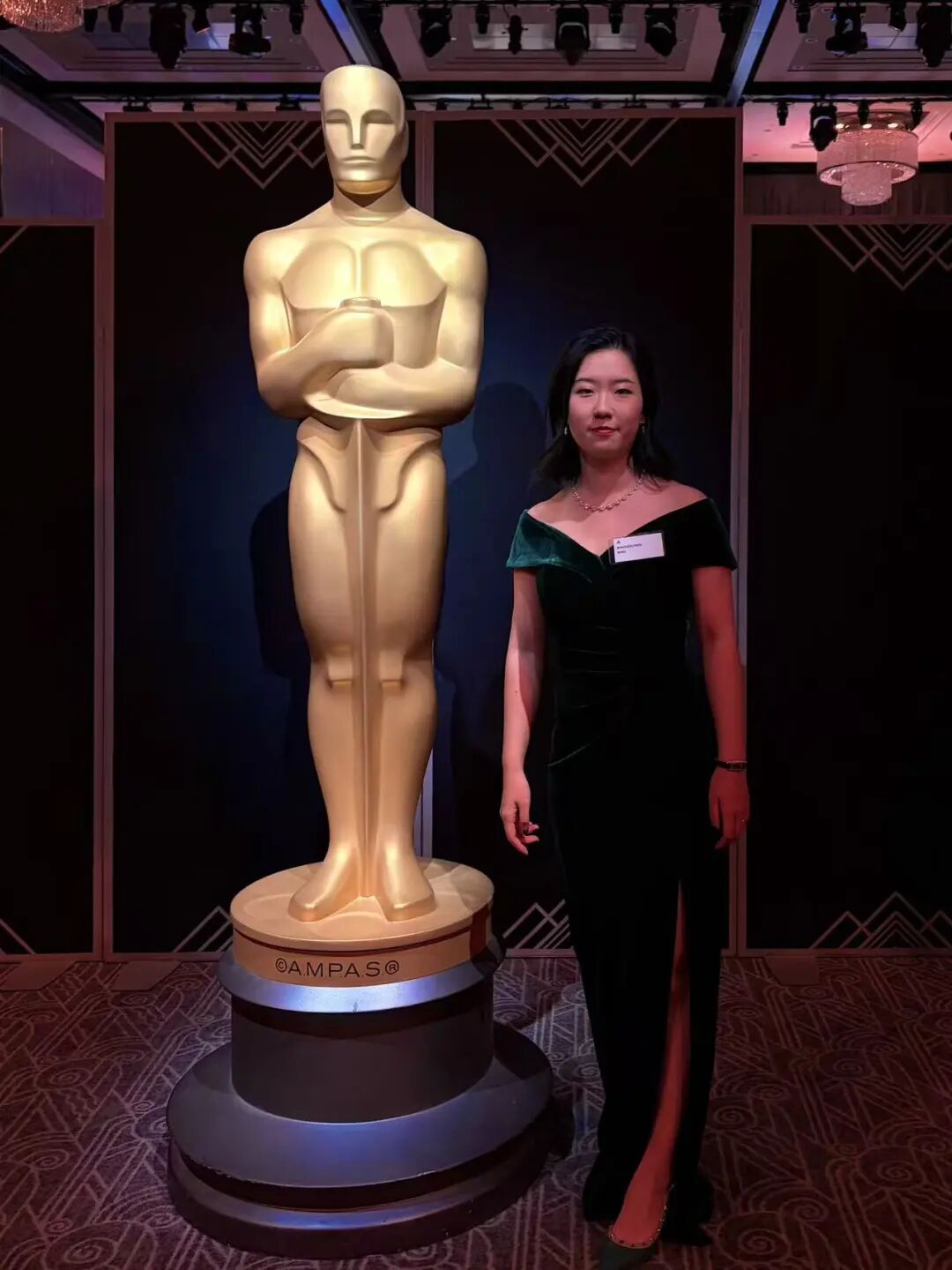
Shu Bingqing graduated from the Animation and Digital Arts School of Communication University of China in 2016 with a bachelor's degree in Animation (3D Animation and Special Effects). She then pursued her master's degree in Character Animation and Animated Filmmaking at Gobelins, l'école de l'image (Gobelins School of Image) in France, starting in 2022.
The work has been nominated for and won awards at nearly 50 international animation film festivals, including a nomination for Best Animated Short Film at the British Academy Film Awards (BAFTA) Student Awards, the Children's Jury Special Award at the Animocje International Animation Festival in Poland, and the Best Student Film Award at the Smalls Film Festival in the UK.
Representative works: The Shyness of Trees, “Ripe” (Communication University of China undergraduate graduation project, supervisor: Liu Dayu)
Work Introduction
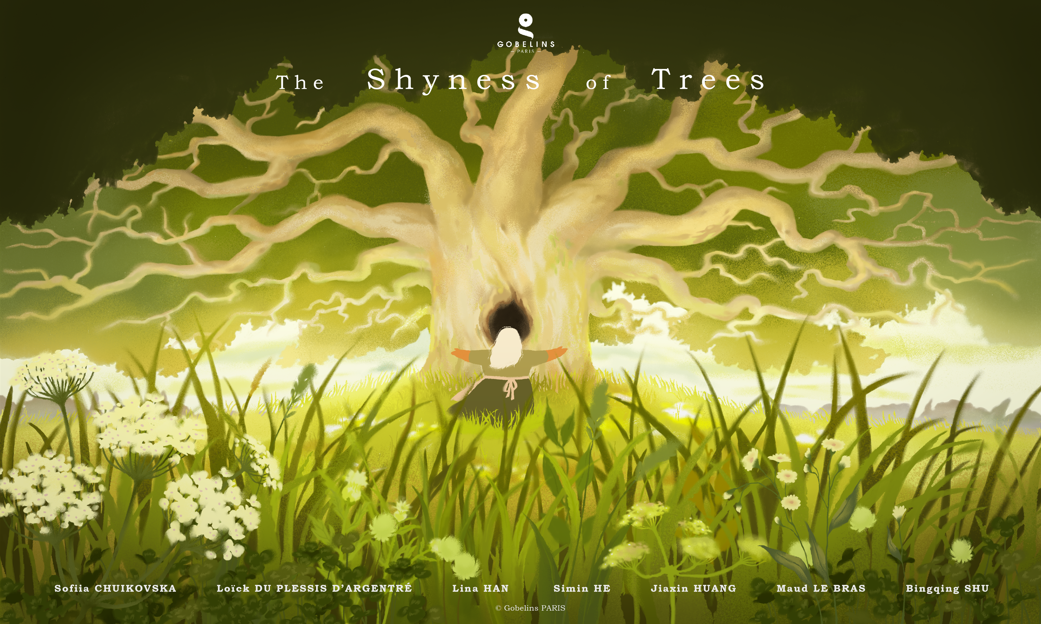
Helen, in her forties, went to visit her elderly mother in the French countryside. But her mother was not her usual self. She seemed to have formed a peculiar bond with the plants, insects, and the ancient oak tree at the end of the garden...
Exclusive Interview
Question:
The bond between the mother and nature is beautifully depicted in the short film. What was the inspiration behind this story?
Our initial inspiration came from team member Loïck's reflections on the reality that his parents would eventually grow old and pass away. The nascent form of this story emerged as he pondered, "What will the world be like when my parents are no longer here?" This question is not grand, but it is profoundly real and an emotional issue that almost everyone will face at some point in their lives.
When he shared his ideas with the team, we found that everyone could resonate with them based on their own experiences. During the collective creative process, we gradually focused our perspective on the mother-daughter relationship, and through nature as a medium, gave clearer expression to “farewell,” “inheritance,” and “unspeakable emotions.”
Question:
How did the profound and universal topic of "death" become the creative core and unite a multinational team?
“Death” is not a topic we chose to create a sense of gravity, but rather an unavoidable life experience. Precisely because it is universal, real, and sufficiently private, it becomes a theme that allows people from different cultural backgrounds to stand on the same emotional starting point.
During the creative process, each team member shared many stories about mothers, grandmothers, and family memories. These exchanges transformed the creative work from abstract discussions into something built upon genuine emotions. It was this open and forthright sharing that allowed a multinational team to quickly build trust and consensus.
Question:
Does transnational cooperation face issues of cultural differences? When exploring delicate themes such as "mother-daughter relationships" and "harmony between humanity and nature," how can we find an entry point that resonates with a global audience?
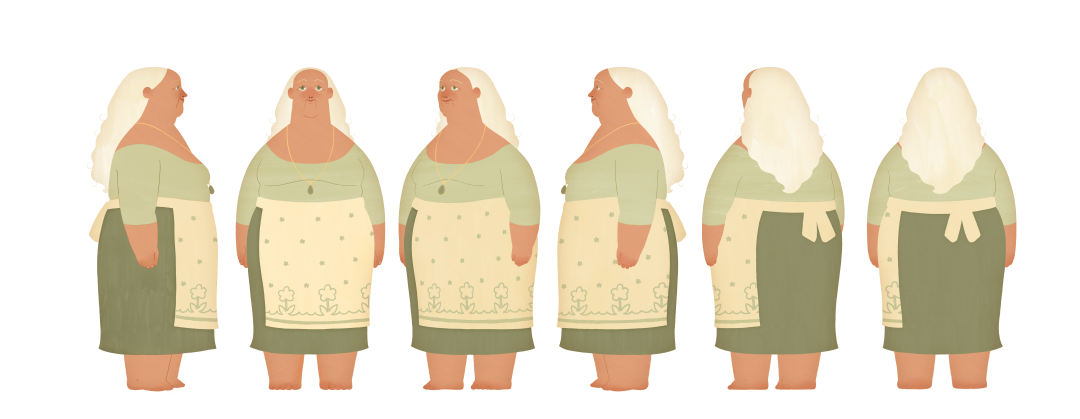
We initially started by trying to write a script without a framework, based on the idea of "Mom turned into a tree." Through numerous drafts, we gradually discussed and refined the concept, ultimately settling on the film's central theme: the mother-daughter relationship and how to cope with the passing of a loved one. Separation and attachment—these are challenges that all humans will face. The characters' identities are merely a vehicle; this departure could be about anyone or anything you deeply cherish in your life. When "having to let go" and "I need you" conflict, how do characters suppress their own "needs" to follow nature and respect life? Ultimately, they bid their final farewell with a blessing. This is what the team unanimously wanted to portray: this emotion is inherent to humanity, transc transcending cultural boundaries.
Regarding the ending, before Hélène says goodbye to her mother, whether she should directly say "Mom, I love you" — the Asian team members and European team members had completely opposite choices. However, we quickly resolved these issues through voting.
Question:
The title "The Shyness of Trees" is full of metaphorical meaning. How did the team use visual style to convey this sense of "shyness" while achieving a subtle transition between realistic and supernatural scenes?
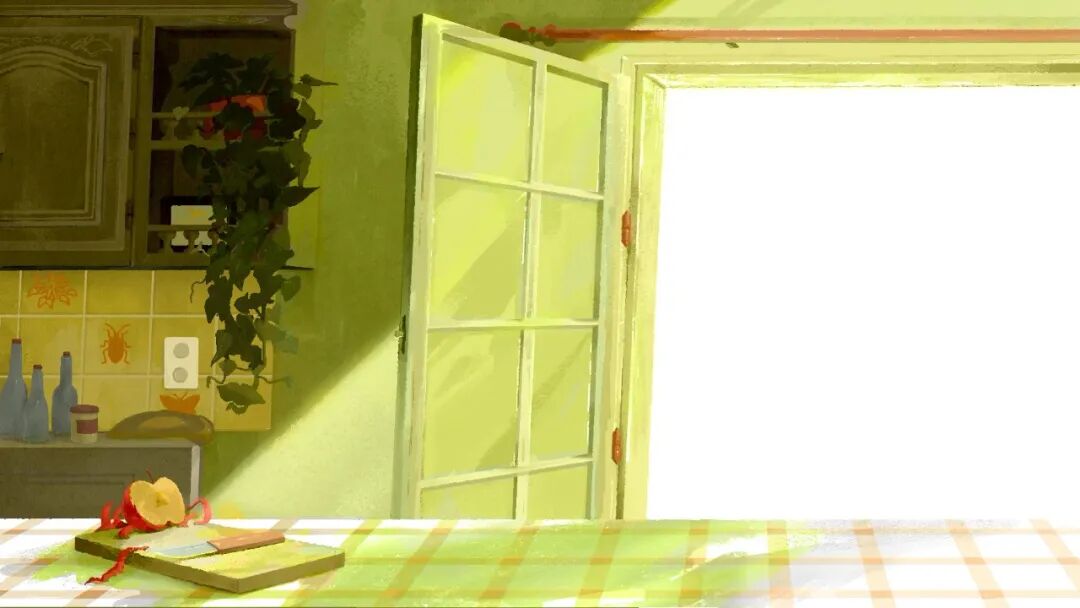
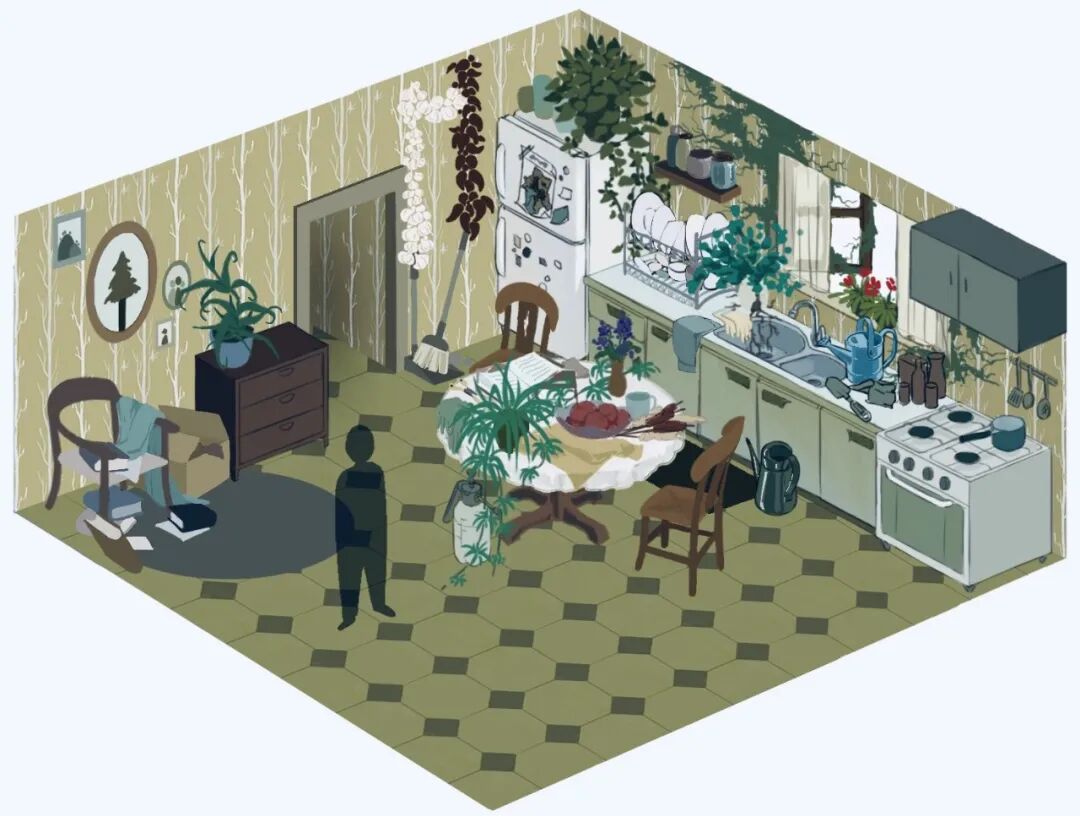
The title "The Shyness of Trees" is itself a metaphor. "Shyness" does not point to fragility, but rather to a state of existence that is restrained, introverted, and unassuming. We hope that nature is not anthropomorphically "expressing emotions," but rather existing in a quiet yet continuous way.
Regarding the overall visual atmosphere, we were deeply influenced by folk horror films such as Midsommar and The Wicker Man. On an emotional level, we also referenced films that explore family relationships, such as Hereditary and Lady Bird. In terms of composition and the use of light and shadow, we were most influenced by highly stylized black and white films, including The Night of the Hunter, The Lighthouse, and Persona.
We use light and shadow, composition, and rhythm to reinforce this feeling, keeping the boundary between reality and the supernatural consistently blurred. The audience doesn't need to explicitly know "where the unreality begins"; instead, they are gradually guided into a state between reality and symbolism, which is the emotional space we hope the audience experiences.
Question:
In this collaboratively created work, what is your creative identity? Do you have any exclusive creative insights, or have you encountered any memorable difficulties?
From the outset, we didn't assign clear functional labels to each other. Throughout the production process, everyone naturally found the role they were better at and more invested in. Numerous team meetings were held in the early stages to discuss and debate the art style and narrative direction. Once the script, storyboards, and visual direction were finalized, intensive production began.
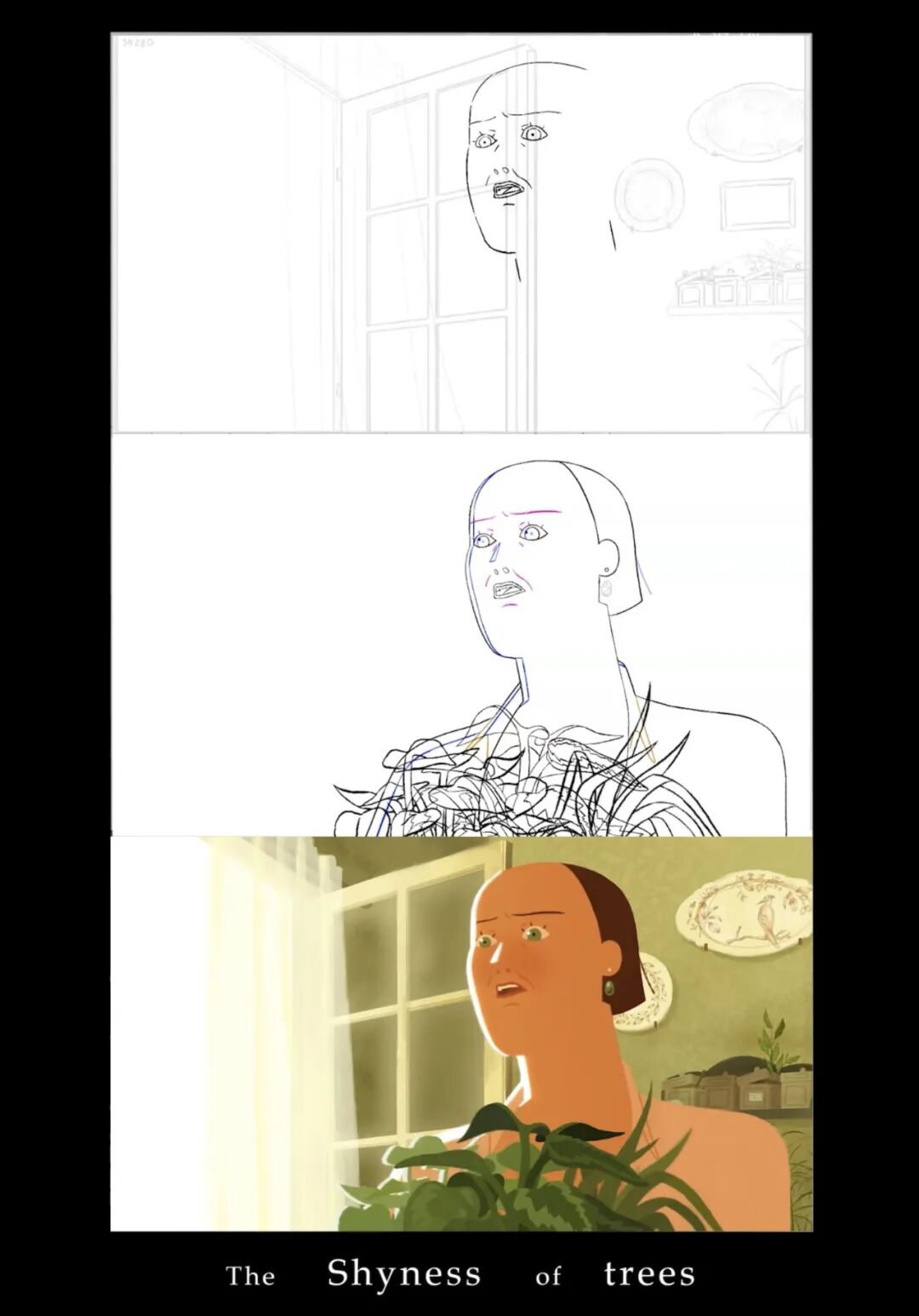
I was primarily involved in concept art, layout, animation, and post-production compositing. The main difficulty I encountered was animating the lip-sync for a character speaking French. When dealing with a language I wasn't very familiar with, the challenge lay in understanding the pronunciation, stress, meaning, and emotion of the lines, and then incorporating that into the animated performance. Fortunately, we didn't have many lines, so the time required to learn them wasn't excessive.
Question:
What key role do you think your alma mater played in reshaping your animation concepts and technical style? What experiences during your university years did you find particularly useful?
CUC was the first window through which I truly came to understand animation creation. Here, I grasped the possibilities of animation as a creative medium and met many teachers and classmates who were full of ideals and willing to experiment and express themselves. This environment and atmosphere have benefited me to this day.
On a technical level, CUC laid a complete and solid foundation for me in animation production. The university organized a wealth of activities, allowing me to continuously engage with the latest creative contexts and industry perspectives. Those were very fulfilling and happy university years.
If there are any experiences that were particularly helpful in this international cooperation, they would definitely be the joint creation project in my junior year and my graduation design. Such rare creative opportunities not only honed my collaborative skills but also allowed me to experience the entire process from concept to a complete work. These experiences played a very important role in cross-national team cooperation.
Question:
For junior students who are exploring their creative direction, what advice do you have for them to refine their work, so they can find a creative expression that is both true to themselves and capable of engaging in dialogue with the world?
The most important aspect of creation is always: finding what you genuinely care about, not what you "think you should film." Technologies will advance over time, but what truly sustains you through the completion of a work must be an emotion or a question you cannot easily let go of.
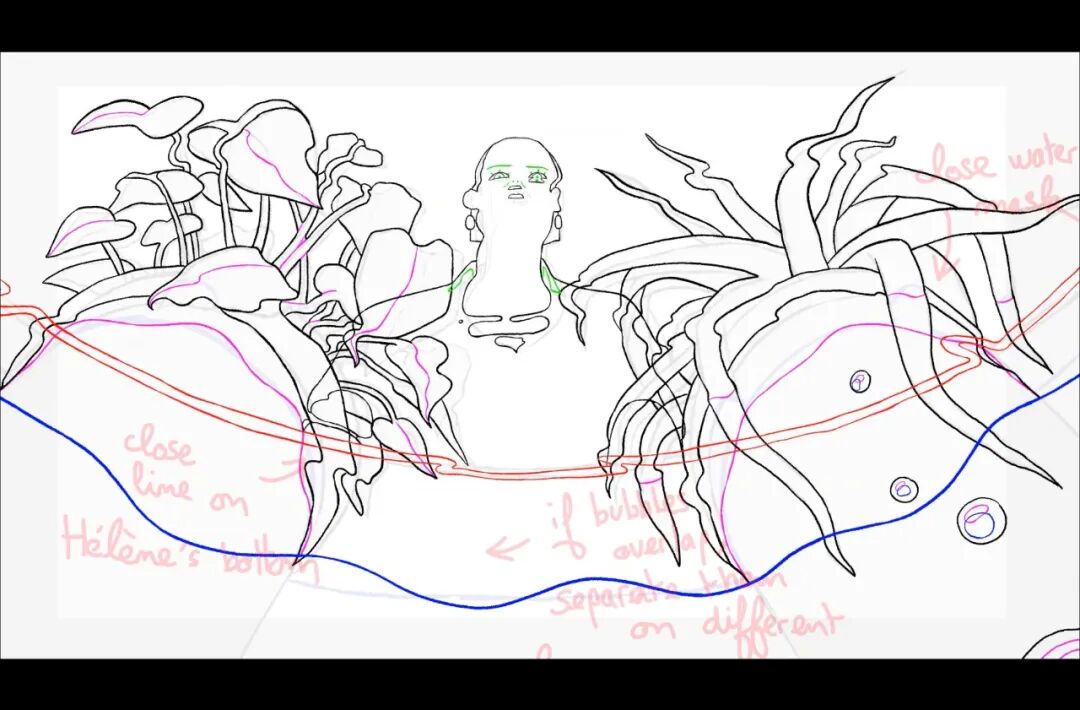
The specific advice is to persist in creating and documenting, trying to draw or write every day. Only by expressing and putting it down on paper can you continuously gain improvements and integrate truly your own creations based on this. Don't be afraid of immature ideas; the important thing is to remain honest and open.
Question:
What additional gains or reflections did you have from completing this work?
What are your future creative plans and stylistic direction?
After completing The Shyness of Trees, my biggest realization was: when you are honest enough with yourself, your work will find its audience. This process gave me a new understanding of the meaning of creation, which is not about proving ability, but about establishing connections.
In the future, I still hope to continue exploring themes related to people, whether it's family, memory, or identity. At the same time, I also hope to constantly explore new possibilities in form and style, allowing the mode of expression to grow with creative experience.
This article was translated with AI assistance.
Editor: Fang Yiran